
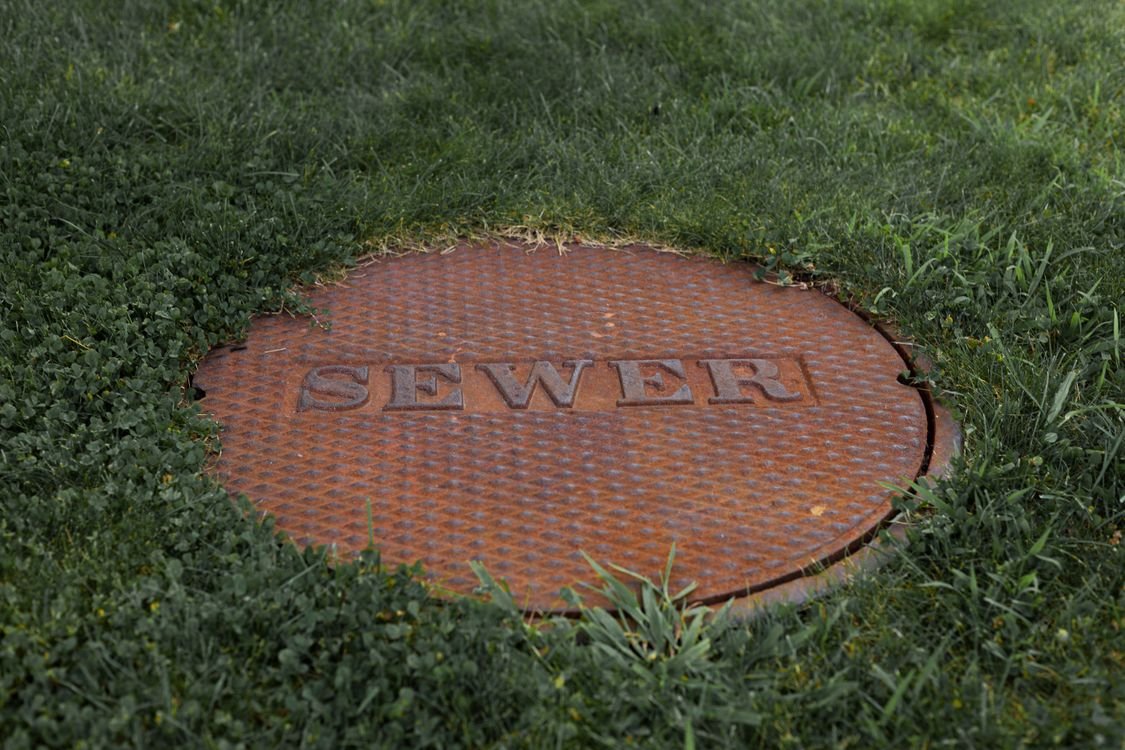
Sewage Backup: Health Risks, Warning Signs, and What to Do
A sewer backup is bad enough when it is only water. When the water is sewage — wastewater carrying human waste from toilets, sinks, and drains — it becomes a health risk as well as a plumbing problem. That is what a sewage backup is: wastewater flowing back into your home instead of away from it.
This guide explains what a sewage backup is, the health risks it brings, the warning signs to watch for, and exactly what to do when it happens. Florida Sewer Repair connects homeowners with independent local sewer professionals — we do not do the work ourselves. If you think sewage is backing up in your home, the safest step is to get a local pro to the house quickly, and we can help you reach one.
What Is a Sewage Backup?
A sewage backup happens when wastewater from your home’s drains cannot reach the municipal sewer main or the septic system, so it reverses course and comes up through the lowest drains, toilets, tubs, or showers in the house. It can be a small amount of dark water in a floor drain, or it can flood a whole room.
People use several phrases for the same event: sewage backup, sewer backup, sewage backups, sewer backups, and backup sewer all describe wastewater coming back into a home. The word “sewage” refers to the wastewater itself, while “sewer” refers to the pipe system that carries it away. In everyday language the two terms are used interchangeably, and this article uses them the same way. For the water-damage side of a backup, see our guide to water sewer backup.
The usual causes are a blockage in the main sewer line, tree roots growing into the pipe, a collapsed or damaged section of pipe, heavy rain overwhelming the system, or a failed ejector pump. In Florida, older pipes, shifting soil, and heavy rain make backups more likely. For the full list of causes and how to prevent them, read our guide to sewer backup: why it happens and how to prevent it.
Health and Safety Risks of a Sewage Backup
Sewage is classified as contaminated water because it can carry bacteria, viruses, and parasites. The risks are real, but they are manageable if you avoid contact and get help quickly.
- Skin contact can cause irritation and infection. Sewage water touching cuts, scrapes, or irritated skin can lead to rashes or infection. Wear waterproof boots and gloves if you must go near it.
- Swallowing sewage water can cause stomach illness. Never drink tap water during a backup, and keep children from playing near backed-up water.
- Airborne germs can irritate eyes, nose, and throat. Splashing or flushing during a backup can send tiny droplets into the air. Ventilate the room and avoid flushing.
- Children, older adults, and people with weak immune systems face higher risk. Keep them out of affected rooms until a professional has cleaned up.
- Damp rooms can grow mold. In Florida’s humidity, materials that stay wet after a backup can develop mold within a day or two, so drying matters even after the water is gone.
Warning Signs of a Sewage Backup
A backup rarely arrives without warning. Watch for these signs, and act on the first one you notice.
- Gurgling drains. Bubbling or gurgling sounds from a toilet, sink, or tub when you flush or run water often mean air is trapped by a blockage downstream.
- Slow drains in several fixtures at once. One slow drain is usually a local clog. Several slow drains together point to the main line.
- A sewage smell that will not go away. A persistent smell of sewage, especially near floor drains, is a warning sign. Our guide to sewer smell in the house explains where smells come from.
- Water in the lowest drain. Water rising in a basement floor drain, a ground-floor shower, or a laundry tub is often the first visible sign of a backup.
- Toilet water level changes. A toilet that fills higher than usual, drains lower than usual, or bubbles when another fixture runs is a classic warning sign.
- Wet patches in the yard. Unexplained wet or sunken patches, or lush green grass over the sewer line, can mean a leak or break outside the house.
What to Do Right Away
- Stop using water. Do not flush, run taps, or start the dishwasher or washing machine. Every gallon you send down adds to the backup.
- Keep everyone away from the water. Treat all backed-up water as sewage. Keep children and pets out of the room.
- Ventilate the area. Open windows and doors to let fresh air in and reduce odor.
- Move valuables off the floor. Lift rugs, boxes, and electronics to higher ground if you can do so without stepping in the water.
- Take photos of the damage. Photograph the water, the fixtures it came from, and any damaged items before cleanup begins.
- Call a local sewer professional. A backup that affects more than one fixture usually means a main-line blockage. A local pro can inspect the line with a camera and clear it. Request a callback through our contact page or email floridasewerrepair@gmail.com, and we will connect you with an independent local professional.
What Not to Do
- Do not try to clean sewage water yourself without protection. Sewage cleanup needs proper protective gear and disinfecting. Leave it to a professional.
- Do not use chemical drain cleaners. They will not clear a main-line blockage and they add a chemical hazard to contaminated water.
- Do not ignore a sewage smell. A smell that comes and goes is often the first sign of a developing blockage. Find the cause early, before water appears.
- Do not keep flushing to test the drain. It only sends more water into a system that cannot take it.
When to Call a Professional
Call a local sewer professional if more than one fixture is affected, if the backup keeps returning, if you see sewage water, or if you cannot find the cause. These signs point to a blockage in the main line, which needs professional equipment — a camera inspection to find the problem, and clearing methods such as a drain snake or hydro jetting.
The cost of a repair depends on the cause, where the blockage is, how easy the line is to reach, and the method used to clear it. Florida Sewer Repair connects homeowners with independent local sewer professionals — we do not perform the work ourselves, and we do not set prices. To reach a local pro, request a callback through our contact page or email floridasewerrepair@gmail.com.
Frequently Asked Questions
Is a sewage backup dangerous?
Yes. Sewage is contaminated water that can carry bacteria, viruses, and parasites. It can cause skin irritation and stomach illness. Keep children and pets away, avoid touching it with bare skin, and let a professional handle the cleanup.
Can I clean up a sewage backup myself?
No, not safely. Sewage cleanup needs proper protective gear, disinfecting, and safe disposal of contaminated materials. Small amounts of clear water can be mopped up, but anything that looks or smells like sewage should be left to a professional.
What causes sewage to back up into a house?
The most common causes are a blockage in the main sewer line, tree roots growing into the pipe, a collapsed or damaged pipe, heavy rain overwhelming the system, or a failed ejector pump. Often more than one of these is involved.
How do I know if it is a sewage backup or a clogged drain?
One slow fixture usually means a local clog. Several fixtures slowing down together, gurgling drains, water in the lowest drain, or a sewage smell point to a main-line backup. If in doubt, stop using water and call a local sewer professional.
Will a sewage backup happen again?
It can, if the cause is not fixed. A camera inspection finds the cause — a blockage, roots, or a damaged pipe — so it can be repaired properly. Avoid flushing wipes and grease, and have the line checked if you have had a backup before.
A sewage backup is a health problem first and a plumbing problem second. Stop using water, keep everyone away from the water, and get a local sewer professional to find and clear the blockage. For the causes and how to prevent the next one, read our guide to sewer backup: why it happens and how to prevent it. For the water-damage side, see our guide to water sewer backup. To reach an independent local sewer professional, request a callback through our contact page or email floridasewerrepair@gmail.com.


3 Comments