

Sewage Backed Up? What It Means and How to Find the Cause
Sewage backed up is the phrase homeowners use when wastewater comes back into the house instead of draining away. You might also hear it as “sewage back up” or a “sewer drain backup” — all three describe the same thing: water that should be leaving your home is coming back through a drain, toilet, tub, or shower.
This guide explains what “backed up” means, how to work out where the blockage is, and what to do next. Florida Sewer Repair connects homeowners with independent local sewer professionals — we do not do the work ourselves. If sewage is coming up in your home, the safest step is to get a local pro to the house, and we can help you reach one.
What “Sewage Backed Up” Means
When sewage is backed up, wastewater has reversed direction in your drain system. Instead of flowing from your fixtures to the main sewer line and out to the street or septic system, it is flowing back toward the house and coming out at the lowest drain or fixture it can reach.
The water may be clear at first, but backed-up sewage is usually grey or dark and carries a strong smell. Treat any water from a backed-up drain as contaminated. It can carry bacteria and other germs, so avoid touching it with bare skin and keep children and pets away. Our guide to sewage backup covers the health risks in detail.
A backup is different from a simple clog. A clog slows one fixture. A backup means wastewater has nowhere to go, so it comes back up — often in a different fixture from the one that caused the problem. That is why the first step is diagnosis: finding where the blockage is.
How to Tell Where the Blockage Is
Work through these checks in order. Each one narrows down where the problem sits.
- Check whether one fixture or several are affected. One slow toilet or sink usually means a local clog in that fixture’s branch. Several fixtures slowing or backing up together point to the main line.
- Look at the lowest drain first. Water in a basement floor drain, a ground-floor shower, or a laundry tub is a strong sign the main line is blocked, because wastewater backs up to the lowest point first.
- Listen for gurgling. Gurgling or bubbling from a drain when you flush or run water means air is trapped by a blockage downstream.
- Test one fixture at a time. Run water in one sink and watch the other fixtures. If water appears in a tub or toilet while the sink runs, the blockage is downstream of where those lines join.
- Check the cleanout if you can find it. Many homes have a sewer cleanout — a capped pipe, often near an outside wall or in the yard. If water is standing in the cleanout or coming out of it, the blockage is between the cleanout and the street. Do not open a cleanout while water is backed up, or it may spill.
- Note whether it happens after rain. A backup that follows heavy rain can mean the municipal system is overwhelmed, or that groundwater is getting into a damaged pipe.
Common Causes of a Sewage Backup
- Flushed wipes and grease. “Flushable” wipes do not break down like toilet paper, and grease hardens in pipes. Together they are the most common cause of household blockages.
- Tree roots in the line. Roots grow toward the moisture in a sewer pipe and force their way in through joints and cracks. In Florida, fast-growing trees near a line are a common cause.
- A collapsed or damaged pipe. Older clay or cast-iron pipes can crack, collapse, or separate at the joints, especially where soil shifts.
- A sagging section of pipe. A low spot in the line, sometimes called a belly, collects waste and water until it blocks.
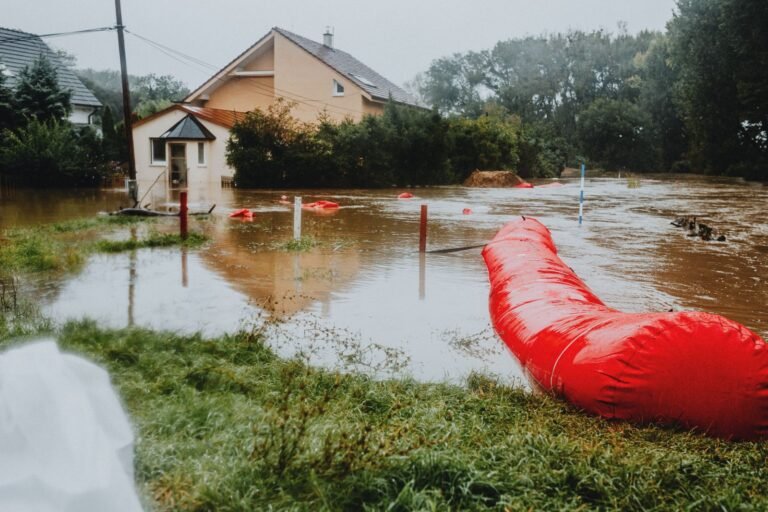
- Heavy rain. Intense rain can overwhelm a municipal system or push groundwater into a damaged pipe, and the extra water has to go somewhere — sometimes back into a home.
- A failed ejector pump. Homes with a basement bathroom or laundry below the sewer line rely on an ejector pump to lift wastewater up. If the pump fails, wastewater backs up fast.
One Fixture or the Whole House?
| What you see | Where the blockage usually is | What to do |
| One slow drain | That fixture’s branch line | Try a plunger; call a pro if it stays slow |
| One room affected | That room’s branch line | Stop using that room’s water; call a pro |
| Several fixtures backing up | The main sewer line | Stop all water use; call a pro now |
| Water in the lowest drain | The main sewer line | Call a pro now; stay out of the water |
| Backup after heavy rain | Main line, municipal system, or damaged pipe | Call a pro; note the timing for the diagnosis |
What to Do Now
- Stop using water. Do not flush, run taps, or start the dishwasher or washing machine.
- Stay out of the water. Treat backed-up water as sewage. Keep children and pets away.
- Ventilate and take photos. Open windows for fresh air and photograph the water and any damaged items before cleanup.
- Write down what you found. Which fixtures are affected, when it started, and whether it followed rain — a professional will ask all of this.
- Call a local sewer professional. A camera inspection shows exactly where the blockage is, and the pro can clear it with the right equipment. For the emergency steps, see our guide to emergency sewer backup: what to do in the first hour. To reach a local pro, request a callback through our contact page or email floridasewerrepair@gmail.com.
When to Call a Professional
Call a local sewer professional if more than one fixture is affected, if the backup keeps returning, if you see sewage water, or if you cannot find the cause. A main-line blockage needs professional equipment — a camera inspection to find the problem, and clearing methods such as a drain snake or hydro jetting.
The cost of a repair depends on the cause, where the blockage is, how easy the line is to reach, and the method used to clear it. Florida Sewer Repair connects homeowners with independent local sewer professionals — we do not perform the work ourselves, and we do not set prices. To reach a local pro, request a callback through our contact page or email floridasewerrepair@gmail.com.
Frequently Asked Questions
What does it mean when sewage is backed up?
It means wastewater is flowing back into your home instead of away from it. A blockage in the drain or the main sewer line leaves the water nowhere to go, so it comes back up through the lowest drain, toilet, tub, or shower.
Is a backed-up sewer drain an emergency?
Yes, if sewage water is coming up, more than one fixture is affected, or the water keeps rising. Stop using water, keep everyone away from the water, and call a local sewer professional right away.
Can I fix a backed-up sewer drain myself?
A single slow drain can sometimes be cleared with a plunger. A backup affecting several fixtures needs professional equipment, and chemical drain cleaners will not clear a main-line blockage. Do not try to clean sewage water yourself.
Why does sewage back up after heavy rain?
Heavy rain can overwhelm the municipal sewer system or push groundwater into a damaged pipe. The extra water has nowhere to go, so it backs up to the lowest drain in the house.
How does a plumber find the cause of a backup?
With a camera inspection. A small camera is fed into the sewer line to show the blockage, tree roots, or pipe damage on a screen, so the repair targets the real cause instead of guessing.
When sewage is backed up, diagnosis comes before repair. Work out which fixtures are affected, stop using water, and get a local sewer professional to find the blockage with a camera inspection. For the emergency steps, read our guide to emergency sewer backup: what to do in the first hour. For the health risks, see our guide to sewage backup. To reach an independent local sewer professional, request a callback through our contact page or email floridasewerrepair@gmail.com.



One Comment