Cleanout Sewer: How to Find and Use a Sewer Cleanout Cap
A cleanout sewer cap is the small cover that gives access to the sewer line under and around a home. If you know where your cleanout caps are and how they work, a drain problem becomes easier to explain to a professional and faster to fix. This guide explains how to find a sewer cleanout cap and how to use one safely.
Florida Sewer Repair connects homeowners with independent local professionals who can assess the problem and carry out the work. This site does not provide plumbing services itself. Read on to learn what a cleanout sewer cap is, where to look for it, and what to do when a cap is stuck, cracked, or buried.
What Is a Cleanout Sewer Access Point?
A sewer cleanout is a short vertical pipe that branches off the sewer line, topped with a removable cap. Through that opening, a professional can insert a camera to inspect the line, or an auger or jetting hose to clear a blockage. The cap keeps dirt, debris, and odours out of the line when the cleanout is not in use.
Most homes have one or two cleanouts. One usually sits near the house, where the sewer line leaves the building. A second may sit near the property line. The caps are made of PVC, ABS, cast iron, or brass, depending on the age of the home. For a full overview of cleanout locations, read our guide to the sewer clean out line.
How to Find a Sewer Cleanout Cap
Finding a cleanout cap takes a bit of detective work. Follow these steps:
- Start inside. Check the basement, garage, or utility room, near the wall where the main drain leaves the house.
- Follow the main drain. The sewer line usually runs in a straight line from the house to the street.
- Look outside near the foundation. Check within a metre or two of the house wall for a round or square cap at ground level.
- Check near the property line. A second cleanout often sits where the home’s line meets the public sewer.
- Look for clues. A slight mound, a patch of different grass, or a small concrete surround can mark the spot.
- Probe gently. Push a thin rod into the soil along the line to feel for a buried cap. Do not force it.
- Ask a professional. A plumber can locate the line with a camera and a locator if you cannot find the cap.
Outdoor caps are often white PVC or black ABS and can sit flush with the soil or under a thin layer of mulch. A metal detector can help if the cap is brass or cast iron.
Types of Cleanout Caps
| Cap type | What it looks like | Common in |
|---|---|---|
| PVC cap | Round white plastic cap, often with a square nut | Newer homes |
| ABS cap | Round black plastic cap | Newer homes |
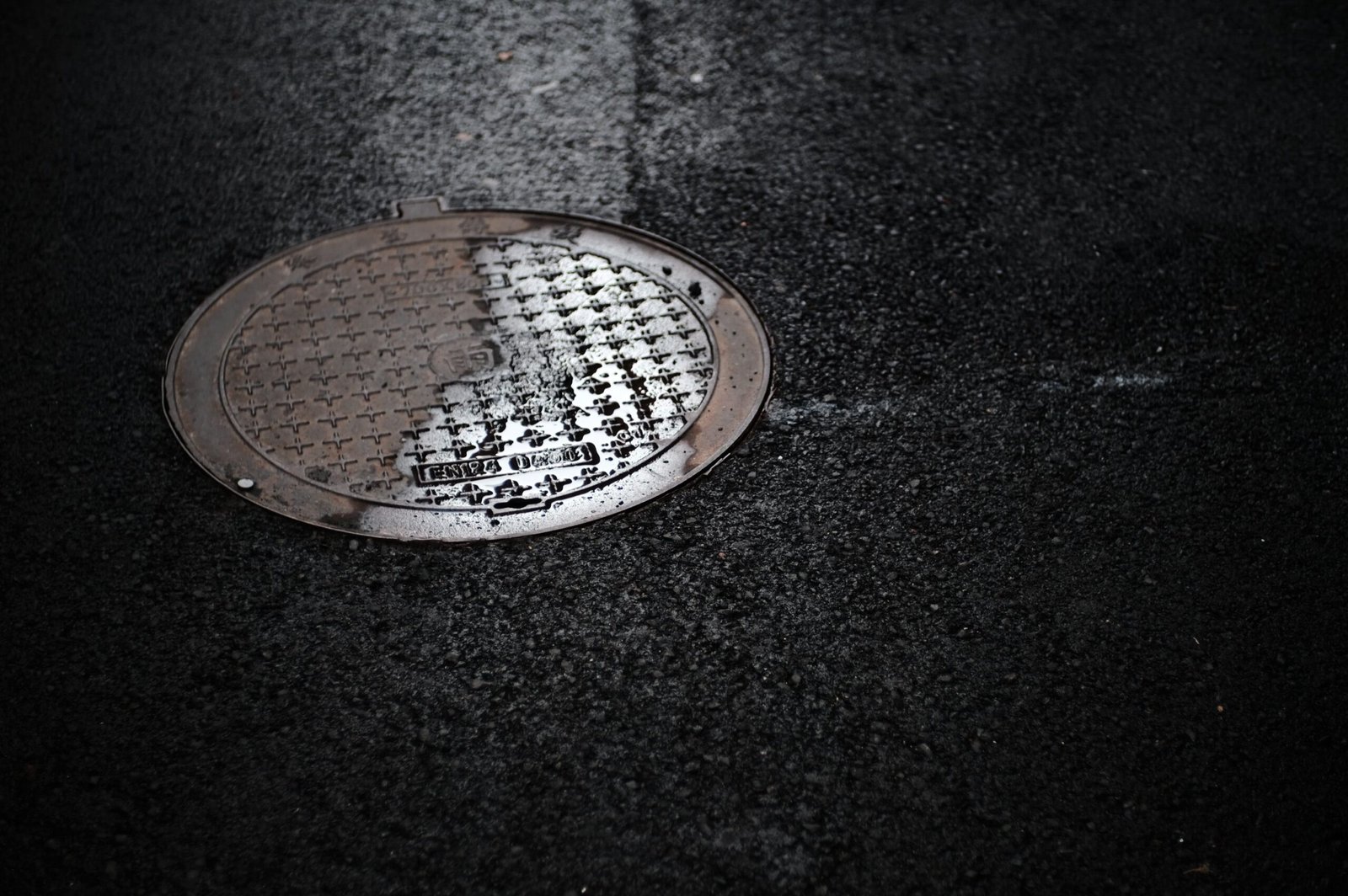
| Cast iron cap | Heavy round metal cap, often rusty | Older homes |
| Brass cap | Round metal cap, sometimes flush with the floor | Older homes, indoor cleanouts |
| Cleanout plug | Threaded plug set into a fitting | Indoor stacks and test tees |
The cap type tells you something about the age of the system and the tools needed to open it. Plastic caps usually unscrew by hand or with a wrench. Metal caps may need penetrating oil and the right wrench, and they can crack if forced.
How to Use a Cleanout Cap
Using a cleanout cap is a job for a professional, but it helps to know what happens:
- The professional checks the area for signs of a backup before opening the cap.
- The cap is loosened slowly, in case wastewater is held back behind a blockage.
- A camera or cleaning tool is fed through the opening into the line.
- After the work, the cap is refitted and checked for leaks.
- The work area is cleaned up.
Do not open a cleanout cap yourself if sewage is backing up. The pressure can push wastewater out of the opening. Keep children and pets away from an open cleanout, and wash your hands after touching any part of the drainage system. For more on how a pipe cleanout differs from a line cleanout, read our guide to clean out sewer pipe work.
Common Cleanout Cap Problems
Cleanout caps are simple parts, but they can cause trouble:
- Stuck cap: a cap that has not been opened in years can seize. A professional uses the right wrench and penetrating oil to free it.
- Cracked cap: a cracked plastic cap can leak or let debris into the line. It should be replaced.
- Buried cap: landscaping or paving can cover a cap. A locator can find it, and the area can be cleared.
- Missing cap: a lost cap leaves the line open to dirt and odours. A replacement cap should be fitted.
- Corroded cap: an old metal cap can corrode in place. Forcing it can break the fitting, so it needs care.
Mention any cap problems to the professional at the next visit. A damaged cap is a simple fix when it is found early. For background on the access point itself, read our guide to the sewer cleanout.
Keeping Your Cleanout Caps Ready
A cleanout cap that is easy to find and open saves time on every future visit. Keep yours ready by:
- Keeping the area around each cap clear of plants, soil, and storage.
- Noting the location of each cap for future reference.
- Not paving over outdoor cleanouts.
- Asking a professional to check the caps during a visit.
- Taking a photo of each cap’s location.
Frequently Asked Questions
+ What is a cleanout sewer cap?
A cleanout sewer cap is the removable cover on a cleanout access point in the sewer line. Removing it lets a professional reach the line with a camera, an auger, or a jetting hose.
+ How do I find my sewer cleanout cap?
Check the basement, garage, or utility room near the main drain, then look outside near the foundation and along the straight line to the street. Look for a round or square cap at ground level, a mound, or a patch of different grass.
+ Can I open a sewer cleanout cap myself?
It is best not to open a cap if sewage is backing up, because wastewater can be held back under pressure. A professional has the right tools and protective gear to open it safely.
+ What should I do if my cleanout cap is stuck?
Do not force it. A stuck cap can crack or break the fitting. Tell a professional, who can free it with the right wrench and penetrating oil.
+ What if my home has no cleanout cap?
Some older homes have none. A professional can locate the sewer line and install a cleanout, which makes future cleaning, inspection, and repair faster and less disruptive.