Sewer Gas Smell in Home: Safety Steps and Vent Stack Fixes
A sewer gas smell in home is a warning you should not ignore. That rotten-egg odor means sewer gas is getting inside instead of going out through the vent on your roof. In most cases the cause is simple — a dry drain trap or a blocked vent — but a strong or lasting smell can also mean a cracked pipe or a blocked main line. This guide explains whether the smell is dangerous, how to tell sewer gas from natural gas, what causes it, and the safety steps to take first.
Sewer gas is the mix of gases that forms as waste breaks down in your sewer line. The main one is hydrogen sulfide, which smells like rotten eggs. Methane, ammonia, and other gases are in the mix too. Your home is built to keep this gas out: every drain has a water-filled trap that blocks gas, and a vent stack carries gas up through the roof. A smell inside means one of those defenses has failed.
Is a Sewer Gas Smell in Your Home Dangerous?
In small amounts, for a short time, sewer gas is mostly unpleasant. A faint smell from a dry trap is not an emergency. But a strong smell, or a smell that lasts for days, is a different matter. Sewer gas can irritate your eyes, nose, and throat, and it can cause headaches, nausea, and dizziness. At very high levels — the kind that build up in a sealed, unventilated space — hydrogen sulfide can be dangerous. That is rare in a lived-in home, but it is why a persistent smell deserves attention.
Take these warning signs seriously: the smell is strong enough to notice from another room, you feel unwell when you are in the house and better when you leave, or the smell is getting worse instead of better. In those cases, ventilate the home, and if you feel sick or the smell is very strong, leave the house and call a sewer professional the same day.
Sewer Gas vs. Natural Gas: How to Tell Them Apart
Sewer gas and natural gas both smell like rotten eggs, and that causes confusion. Natural gas has no smell of its own — the gas company adds a rotten-egg odorant so leaks can be detected. Sewer gas smells that way on its own. Telling them apart matters, because a natural gas leak is an emergency.
| Topic | Sewer gas | Natural gas |
| Smell | Rotten eggs, musty drain odor | Rotten eggs (added to odorless gas) |
| Where you notice it | Near drains, toilets, and the basement | Near gas appliances, the meter, or a gas line |
| Other signs | Slow drains, gurgling, dry traps | Hissing sound, dead grass over a gas line |
| Who to call | A local sewer professional | Your gas utility’s emergency line |
If you suspect a natural gas leak — the smell is near a gas appliance or the meter, you hear hissing, or the smell is very strong — leave the home at once. Do not switch lights or appliances on or off, and do not use your phone inside. Call your gas utility’s emergency line or emergency services from outside.
What Causes a Sewer Gas Smell in Home
Most sewer gas smells come from one of these causes. They are listed from the easiest to check to the hardest to find.
- A dry drain trap. The water in a trap can evaporate in a drain that is rarely used — a guest bathroom, a floor drain, or a laundry sink. With no water plug, sewer gas flows into the room. Running water in the drain for a minute refills the trap.
- A blocked vent stack. The vent stack is the pipe that runs from your drains up through the roof. It lets air in and lets sewer gas out. Leaves, a bird’s nest, or debris can block it. When it is blocked, drains gurgle and gas can be pushed back into the house.
- A cracked vent pipe. A vent pipe can crack in the attic or inside a wall, letting gas leak into the house instead of going out the roof. This cause is hard to spot, and it often needs a camera or a smoke test to find.
- A worn wax ring. The wax ring under a toilet seals it to the drain pipe. If it wears out or the toilet rocks, sewer gas escapes around the base. A smell that is strongest at the toilet points to this.
- A loose cleanout cap. A cleanout is an access point in the sewer line, usually outside or in the basement. If its cap is loose, cracked, or missing, gas escapes there. Tightening or replacing the cap is a quick fix.
- A main line blockage. A partial blockage in the main sewer line can push gas back through drains and traps, especially when you flush or run a lot of water. Slow drains and gurgling across the house point to this.
What to Do First: Safety Steps
Work through these steps in order. Most of them take only a few minutes.
- Ventilate the home. Open windows and run fans. Fresh air clears the gas and makes it easier to tell whether the smell comes back — if it does, the source is still open.
- Rule out a natural gas leak. If the smell is near a gas appliance or meter, or you hear hissing, leave at once and call your gas utility’s emergency line from outside. Do not stay inside to investigate.
- Refill every trap. Run water in every sink, shower, tub, and floor drain for a minute, including the ones you rarely use. This is the fix that works most often.
- Check the toilet and the cleanout. Press gently on the toilet — if it rocks, the wax ring may be worn. Look at the cleanout cap and make sure it is tight and undamaged.
- Note where and when the smell is worst. Which room? Which drain? Does it get worse when you flush, run the washing machine, or on windy days? These details help a professional find the cause faster.
Do not pour chemical drain cleaners into a smelly drain, and do not seal a drain or a vent to stop the smell — that can trap gas in the pipes and make the problem worse. If the smell stays after you refill the traps, or if it is strong, call a professional the same day.
How a Vent Stack Problem Is Found and Fixed
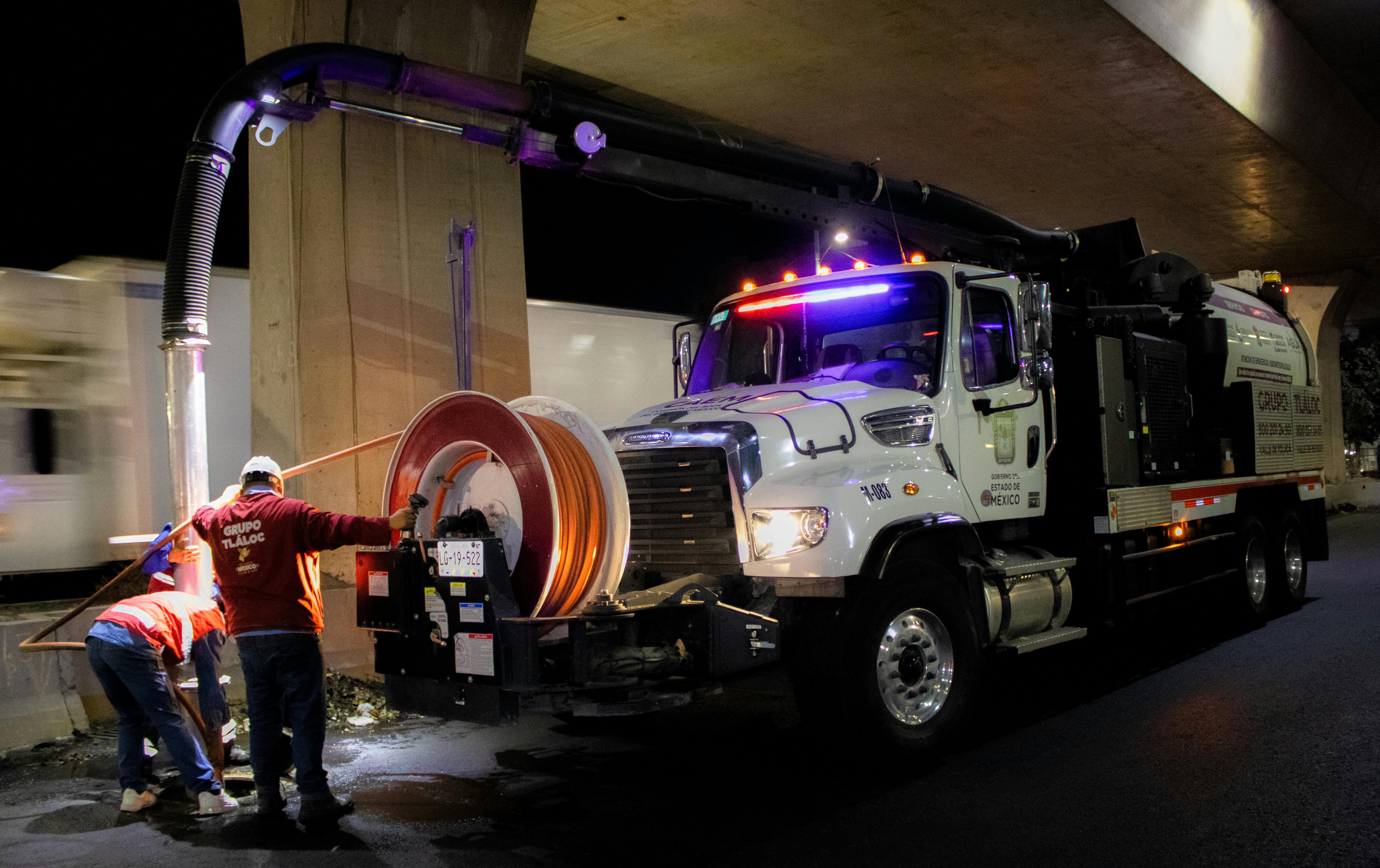
When the easy fixes do not clear the smell, a sewer professional checks the vent stack and the line. The first step is usually a camera inspection: a small camera is fed through the drain or the cleanout to look for cracks, blockages, and broken joints. If the camera does not find the problem, a smoke test can help — harmless smoke is blown into the line, and it escapes wherever there is a crack or a bad seal, showing exactly where the gas is getting out.
Fixes depend on what is found. A blocked vent is cleared from the roof. A cracked vent pipe is repaired or replaced, which may mean opening a section of wall or ceiling. A worn wax ring is replaced by resetting the toilet. A main line blockage is cleared with a cable or a hydro jet. A professional can explain what they found and what the fix involves before any work starts.
The cost of a repair depends on the cause, where the problem is, how easy it is to reach, and the method used to fix it. A dry trap costs nothing to fix. A cracked vent pipe inside a wall costs more. A professional can explain the options and what each one involves before any work starts. To reach an independent local sewer professional, request a callback through our contact page or email floridasewerrepair@gmail.com. For more on tracking down a smell, see our guide to sewer smell and our guide to sewer smell in the house.
Frequently Asked Questions
What does sewer gas smell like?
Sewer gas smells like rotten eggs, and it can also have a musty, earthy, or chemical edge. The rotten-egg smell comes from hydrogen sulfide, a gas that forms as waste breaks down in the sewer line. If the smell is strongest near drains, toilets, or the basement, it is most likely sewer gas.
Is it safe to stay in a house that smells like sewer gas?
A faint smell that clears quickly is usually not an emergency, but a strong or lasting smell should not be ignored. Sewer gas can cause headaches, nausea, and eye irritation. Ventilate the home, and if the smell is strong or you feel unwell, leave the house and call a sewer professional the same day.
Why does the sewer gas smell come and go?
A sewer gas smell often comes and goes because the cause changes with conditions. A trap can dry out and then refill when the drain is used again. Wind and pressure changes can push gas through a partially blocked vent. A smell that appears when you flush or run the washing machine points to a vent or main line problem.
Can a blocked vent stack cause a sewer gas smell?
Yes. The vent stack lets sewer gas out through the roof and lets air into the drain system. When it is blocked by leaves, a nest, or debris, gas cannot escape outside and can be pushed back into the house. A blocked vent also makes drains gurgle and drain slowly. A professional can clear it from the roof or find the blockage with a camera.
Who fixes a sewer gas smell in a home?
A local sewer professional fixes it. They can run a camera through the line, check the vent stack, and test the seals to find the source. To reach an independent local professional, request a callback through our contact page or email floridasewerrepair@gmail.com. If you are still deciding who to call, see our guide to who to call for a sewer gas smell.
A sewer gas smell in home is a warning, not a nuisance to live with. In most cases the fix is simple — refill a dry trap or clear a blocked vent. When the smell is strong, keeps coming back, or comes with slow drains, a sewer professional can find the source with a camera and fix it for good. For more on where the smell comes from, see our guide to sewer smell in the house, and if you need a local pro, request a callback through our contact page.