

Sewer Stinks? Why Your Home Smells Like Sewage and What to Do
If your sewer stinks, you are not imagining it — and you are not the only one dealing with it. A sewage smell in a home is one of the most common complaints homeowners have, and it is also one of the most confusing. The smell can come and go, move from room to room, and seem worse on some days than others. The good news is that most sewer smells have a simple cause, and many of them have a simple fix. This guide explains why your sewer stinks, how to track the smell to its source, and what to try before you call a professional.
One thing to know up front: a sewer smell is not just unpleasant. It is a sign that something in your drain or vent system is not working the way it should. Sewer gas is meant to stay in the pipes and go out through the vent on your roof. When you can smell it inside, gas is finding another way in — usually through a dry drain trap, a blocked vent, or a broken seal. Finding that opening is the whole job.
What Does It Mean When Your Sewer Stinks?
When your sewer stinks, what you are smelling is sewer gas. Sewer gas is a mix of gases that forms as waste breaks down in your sewer line. The main one is hydrogen sulfide, which smells like rotten eggs. Other gases in the mix can add a musty, earthy, or chemical smell. Together, they are hard to miss — and hard to ignore.
Your home is built to keep sewer gas out. Every drain has a curved section of pipe called a trap, and the trap holds a small amount of water. That water acts like a plug: gas cannot get past it. Above the drains, a vent pipe runs up through the roof and lets sewer gas escape outside, where it belongs. A sewer smell means one of those defenses has failed — the water in a trap has dried up, a vent is blocked, or a seal has cracked. The smell is the warning, not the problem itself.
The Most Common Reasons Your Sewer Stinks
Most sewer smells come from a short list of causes. Work through them in order, from the easiest to check to the hardest.
- A dry drain trap. This is the number one cause. If a drain is not used for a while — a guest bathroom, a floor drain, a laundry sink — the water in its trap evaporates. With no water plug, sewer gas flows straight into the room. Running water in the drain for a minute usually fixes it.
- A clogged or blocked vent. The vent pipe on your roof lets air into the drain system and lets sewer gas out. Leaves, a bird’s nest, or ice can block it. When the vent is blocked, drains gurgle, water drains slowly, and sewer gas can get pushed back into the house.
- A dirty drain or overflow. Hair, soap scum, and food build up in sink drains and in the overflow opening of a bathroom sink. That buildup rots and smells like sewage, even when the trap is fine. Cleaning the drain and the overflow usually clears it.
- A worn toilet seal. The wax ring under a toilet seals the toilet to the drain pipe. If it wears out or the toilet rocks, sewer gas escapes around the base. A smell that is strongest at the toilet, or a toilet that wobbles, points to this.
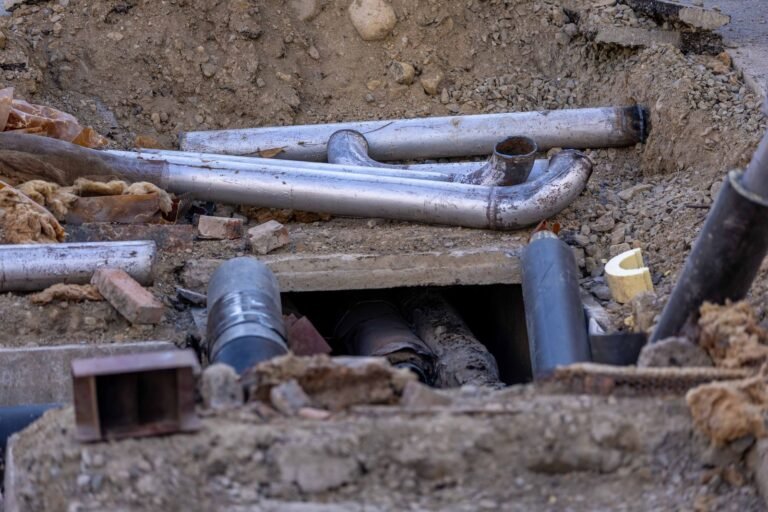
- A cracked or loose pipe. A crack in a drain pipe, a loose joint, or a damaged cleanout cap can let sewer gas leak into a wall, a crawl space, or a basement. This cause is harder to see, and it usually needs a camera inspection to find.
- A septic problem. If your home has a septic system, a full tank or a failing drain field can push sewer gas back into the house. A smell that is strongest near the lowest drains, or that gets worse after heavy water use, can point to the septic system.
Where Is the Smell Coming From? A Quick Room-by-Room Check
Before you fix anything, find the room where the smell is strongest. That narrows the cause fast.
- Bathroom. Check the toilet base first, then run water in the shower, tub, and sink. A smell that is strongest at the toilet points to the wax ring. A smell from the shower drain points to a dry trap or a dirty drain. For a bathroom smell in particular, see our guide to why a bathroom smells like sewage.
- Kitchen. Run the tap and the garbage disposal, and sniff the sink overflow if there is one. A smell that appears when the disposal runs usually means food buildup in the disposal or the drain.
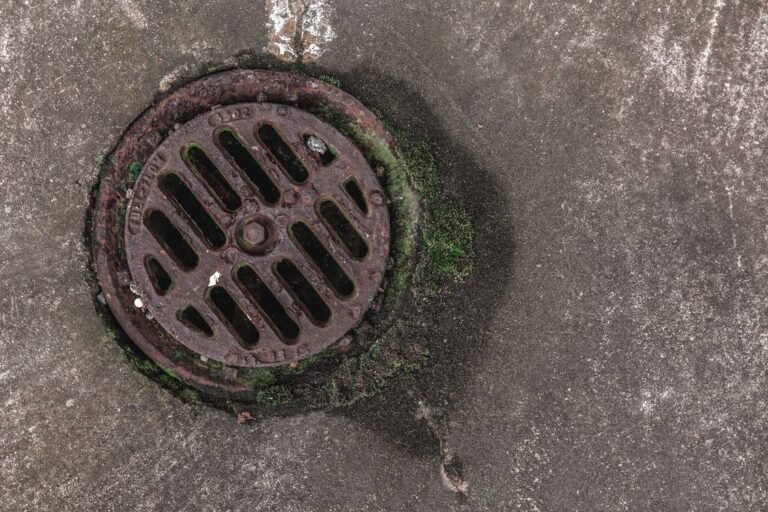
- Basement or laundry room. Floor drains are the usual suspect here — they dry out faster than any other drain. Run water in the floor drain and check the laundry standpipe and the washing machine drain hose.
- Everywhere at once. A smell in every room, or one that gets worse when you flush or run water, points to the main line or the vent stack. That is a job for a sewer professional, not a do-it-yourself fix.
What to Try First: Simple, Safe Fixes
Try these in order. Stop at the first one that clears the smell, and give each fix a day to work before you move on.
- Refill every trap. Run water in every sink, shower, tub, and floor drain for a minute — including the ones you rarely use. This refills any dry trap and is the fix that works most often.
- Clean the sink drains. Pull out the stopper, clear away hair and buildup, and scrub the drain opening and the overflow hole with a brush and hot, soapy water. Rinse well.
- Flush the toilet and check its base. Flush, then press gently on the toilet. If it rocks, or if the floor around the base is damp or stained, the wax ring may be worn. Do not try to reseat the toilet yourself unless you know how — describe what you found to a pro.
- Ventilate the room. Open a window and run the bathroom fan. This does not fix the cause, but it clears the gas and tells you whether the smell comes back — if it does, the source is still open.
- Check the roof vent from the ground. Look up at the vent pipe from the yard. If you can see leaves or debris stuck in the top, note it for a pro. Do not climb on the roof yourself.
Do not pour chemical drain cleaners into a smelly drain. They rarely fix a sewer smell, they can damage pipes, and they make the drain dangerous for anyone who works on it later. Do not ignore a smell that keeps coming back, either — a smell that survives the easy fixes has a deeper cause.
When the Smell Means Call a Pro
Call a sewer professional if any of these apply:
- The smell does not go away after you refill the traps and clean the drains.
- The smell is in more than one room, or it gets worse when you flush or run water.
- Drains are slow or gurgling, or water is backing up anywhere.
- The toilet rocks, or there is dampness or staining around its base.
- The smell is strong, gives you a headache, or makes you feel sick. Ventilate the home and get help the same day.
A sewer professional can run a camera through the line to find a crack, a blockage, or a vent problem without guessing. To reach an independent local sewer professional, request a callback through our contact page or email floridasewerrepair@gmail.com. For more on where sewer smells come from, see our guide to sewer smell and our guide to sewage smell.
The cost of a repair depends on the cause, where the problem is, how easy it is to reach, and the method used to fix it. A dried-out trap costs nothing to fix. A cracked pipe or a blocked vent costs more. A professional can explain what they found and what the fix involves before any work starts.
Frequently Asked Questions
Why does my sewer stink all of a sudden?
Most sudden sewer smells come from a trap that dried out, a vent that got blocked, or a clog that shifted and let gas through. Start by running water in every drain you rarely use, including guest bathrooms and floor drains. If the smell stays, the cause is deeper — a worn toilet seal, a blocked vent, or a cracked pipe — and a camera inspection can find it.
Is a sewer smell dangerous?
In small amounts, sewer gas is mostly unpleasant, but a strong or persistent smell should not be ignored. It can cause headaches, nausea, and eye irritation. Ventilate the home, and if the smell is strong or you feel unwell, leave the house and get help the same day. If the smell is near a gas appliance or meter and you hear hissing, leave at once and call your gas utility’s emergency line from outside — that may be a natural gas leak, not a sewer smell.
Why does my sewer stink only in one bathroom?
A smell in one bathroom usually comes from something in that room: a dry shower or tub trap, a dirty sink drain, or a worn wax ring under the toilet. Run water in every fixture in that bathroom, clean the sink drain and overflow, and check whether the toilet rocks. If only that room smells, the rest of the system is probably fine.
Will pouring water down the drain fix it?
Yes, if the cause is a dry trap — running water refills the trap and blocks the gas again. It is the simplest fix and the one that works most often. But if the smell comes back within a day or two, the trap is drying out for a reason, such as a vent problem or a leak, and that reason needs a professional to find.
Who do I call if my sewer stinks and will not go away?
Call a local sewer professional. They can run a camera through the line, check the vent stack, and test the seals to find the source instead of guessing. To reach an independent local professional, request a callback through our contact page or email floridasewerrepair@gmail.com.
A sewer smell is your home telling you something is open that should be closed. In most cases, the fix is as simple as running water in a drain you forgot about. When the smell survives the easy fixes, do not live with it — a sewer professional can find the source and close it for good. If the smell is strongest in the bathroom, start with our guide to why a bathroom smells like sewage, and if you need a local pro, request a callback through our contact page.




One Comment