
How to Find Your Sewer Cleanout and What It Is For
If a plumber has ever asked where your sewer cleanout is, and you had no idea what they meant, you are not alone. Many Coconut Creek homeowners have never looked for this small but important access point, and that is understandable. It is usually outside, close to the ground, and easy to overlook until a drain problem makes it suddenly important.
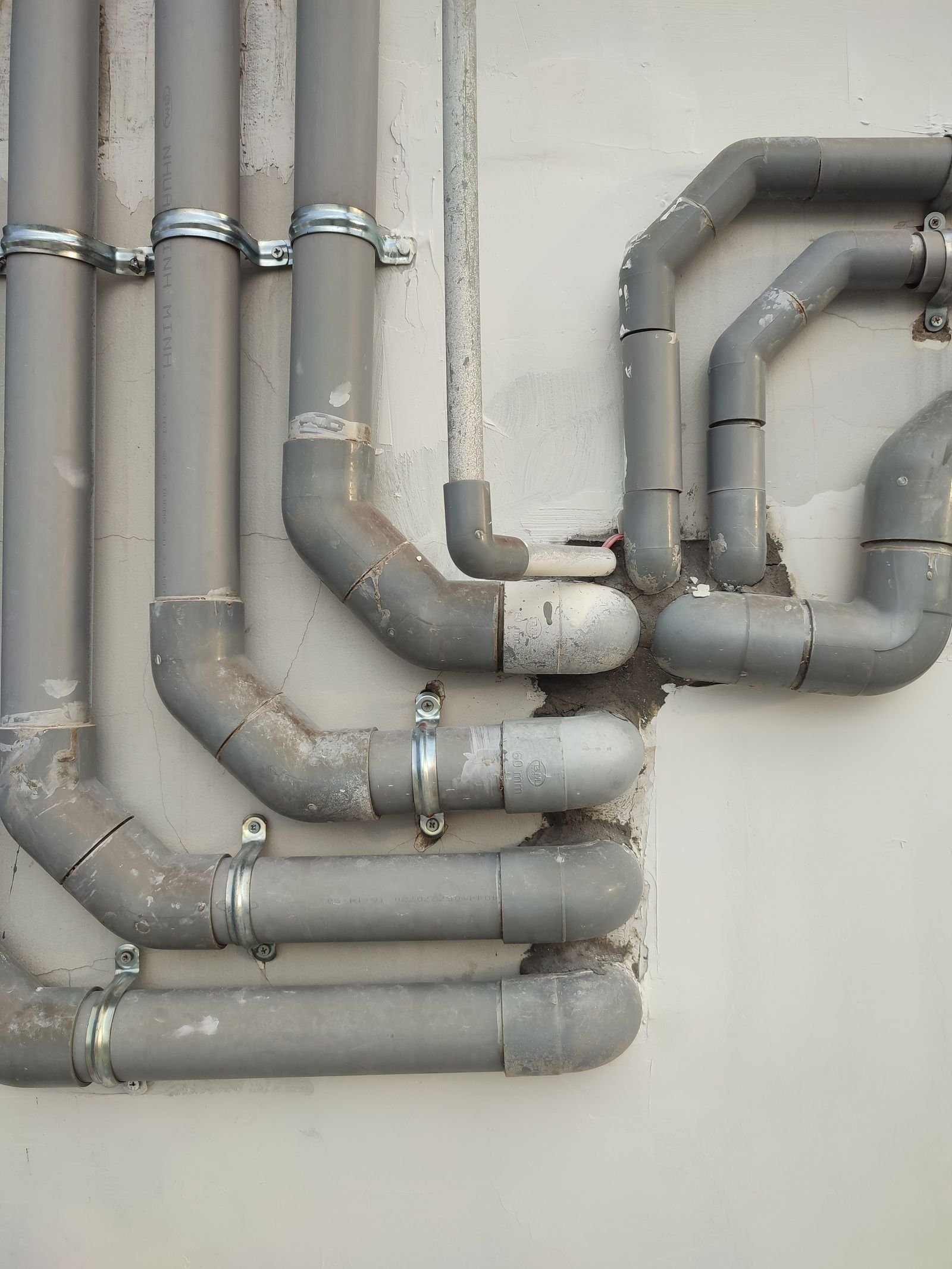
A sewer cleanout, sometimes written as a clean out for a sewer, is simply a capped pipe that gives direct access to your main sewer line. Think of it as a service door for the pipe that carries wastewater away from your home. When that door is easy to find and use, a clog can be checked and cleared with far less disruption. When it is buried, paved over, or hidden behind shrubs, even a straightforward job becomes harder.
What a Sewer Cleanout Actually Is
Your home has many drains, but most of them join together and leave the house through one main sewer line. That line runs underground toward the street and the public sewer system. A cleanout is an opening into that main line, fitted with a removable cap. Remove the cap, and a technician can feed a cable, a camera, or a jetting hose into the pipe without digging it up or removing a toilet.
Cleanouts are not the same as a floor drain, a sink trap, or the small cap on a toilet base. They are made for the main line, not for one fixture. That is why a cleanout is so useful when several drains are affected at once. A problem in one bathroom sink can often be handled at that sink. A problem that affects the whole house usually points to the main line, and the cleanout is the best place to start.
In many South Florida homes, the cleanout is made of PVC and has a square or round cap that can be unscrewed. Older homes may have a cast-iron or brass cap instead. The cap should sit snugly to keep out dirt, insects, and rainwater, but it should not be glued, painted shut, or buried under concrete. If you cannot remove it by hand with reasonable effort, leave it alone and ask a professional to help rather than forcing it.
Where to Look for Your Cleanout
Start outside, on the side of the house that faces the street. Walk slowly along the exterior wall and look near the ground for a short pipe sticking up a few inches, usually within a few feet of the wall. It is often near a bathroom, a laundry area, or the point where the main drain leaves the house. In Coconut Creek, many homes have the cleanout in the front yard, close to the house, or near the edge of a driveway or walkway.
If you do not see it right away, check a few other common spots. Look in planting beds, behind shrubs, near an outdoor faucet, or close to where a downspout meets the ground. Sometimes the cap is flush with the soil or covered by mulch, grass, or a decorative stone. A gentle sweep with a rake, rather than digging, can reveal a cap that has been hidden by landscaping over time.
Some homes have more than one cleanout. You might find one near the house and another closer to the street or property line. One may serve the line leaving the house, while another gives access farther along the same line. If you find one, note its location, take a photo, and tell anyone who works on your drains about it. That simple record can save time during an urgent backup.
What a Cleanout Is Used For
The main job of a cleanout is access. During sewer line cleaning, a technician uses that access to clear grease, roots, scale, and other buildup from inside the pipe. A cable machine can break up a blockage, while hydro jetting uses high-pressure water to wash the pipe walls. Both methods work best when there is a clear, properly sized opening. Without a cleanout, the same work may require pulling a toilet or digging, which adds time, mess, and cost.
A cleanout is also the usual entry point for a sewer camera inspection. A small camera on a flexible cable is fed into the line to look for roots, cracks, separated joints, or a sagging section of pipe. Seeing the inside of the pipe helps explain why a clog keeps coming back, instead of guessing and clearing the same blockage again and again. If you have recurring slow drains, that inspection step is often more useful than another round of plunging.
What Not to Do With a Cleanout
Do not remove the cleanout cap if sewage is backing up, if water is rising in the pipe, or if you smell a strong sewer odor coming from it. Opening a pressurized or blocked line can release wastewater into your yard, and it can also be a sign that the blockage is downstream and needs professional attention first. If water is standing in a cleanout pipe, treat that as a warning, not as an invitation to start clearing the line yourself.
Do not pour harsh chemical drain cleaners into a cleanout either. Those products can damage pipes, harm the person who later opens the line, and rarely solve a main-line problem. They may also make a later cleaning job more difficult. Likewise, do not use the cleanout as a drain for yard water, pool water, or anything else. It is an access point for the sewer line, not an extra drain, and misuse can create a backup inside the house.
Finally, do not cover a cleanout permanently. Paving over it, building a shed on top of it, or planting a large tree directly above it can turn a simple cleaning visit into an excavation project. If you are planning landscaping, a patio, or an addition, mark the cleanout location first and keep it accessible. A small access cover or a clear planting bed around it is a practical compromise.
When a Cleanout Points to a Bigger Problem
A cleanout can also tell you something about the health of your sewer line. If sewage is visible in the cleanout, if the cap is leaking, or if the ground around it is unusually wet or sunken, the line may have a blockage, a crack, or a joint problem. Those signs deserve prompt attention, especially if indoor drains are also slow. For a related guide, see our article on a clogged sewer line and what to do next.
Roots are a common issue in Broward County, where trees and shrubs grow year-round. Roots can enter a sewer line through small joints or cracks and then grow into a mat that catches grease and paper. Cleaning can remove the roots in the pipe, but if they return quickly, a camera inspection can show where they are entering and whether repair is needed. Hydro jetting is sometimes the right follow-up for grease and buildup; you can read more in our guide to hydro jetting a sewer line.
If you cannot find a cleanout at all, that does not necessarily mean your home has a serious defect. Some older homes were built without an exterior cleanout, or the original access point was lost during remodeling or landscaping. A professional can still work through other access points, and in some cases a new cleanout can be installed in a sensible location. That is a job to discuss in person, after the layout of your home and yard has been checked.
Frequently Asked Questions
Is a sewer cleanout the same as a drain cleanout?
People use both terms for the same idea: a capped access point into a drain or sewer pipe. In practice, a sewer cleanout usually means access to the main sewer line, while a smaller cleanout may serve a single branch line. The location and size usually make the difference clear.
Should I open my sewer cleanout myself?
You can look for it and check that the cap is present and accessible, but do not open it if sewage is backing up or water is standing in the pipe. For clearing or inspection, professional tools and protective equipment are safer, and a technician can judge whether the line is safe to open.
What if my cleanout cap is broken or missing?
A broken or missing cap should be replaced, because an open cleanout can let in dirt, roots, and rainwater, and it can release sewer gas. Do not cover it with tape or a loose plug as a long-term fix. Ask a professional to fit the correct cap for your pipe size and material.
How often should a sewer cleanout be used?
There is no fixed schedule for opening a cleanout. It is used when drains are slow, when clogs return, when a camera inspection is needed, or when a line is being cleaned. Knowing where it is before you need it is the useful part; you do not need to open it regularly.
Finding your sewer cleanout is a small piece of homework that can make a stressful drain problem much easier to handle. Walk your yard, note the location, keep it accessible, and leave the cap alone if you see sewage or standing water. If you are unsure what you have found, or if drains are already backing up, Request a Callback and describe what you are seeing, or email floridasewerrepair@gmail.com. A clear access point, and a clear description of the symptoms, help the team plan the right next step for your Coconut Creek home.
Related reading: once you know where your cleanout is, the next question is what happens during the service itself. Our guide to a sewer line clean out walks through the process, from opening the cleanout to the final flow and camera check.
Related reading: to compare a pipe cleanout with a line cleanout, see our guide to clean out sewer pipe work. For the difference between sewage and sewer terms, read our sewage cleanout guide. And for help finding and using the cap itself, see our cleanout sewer guide.

2 Comments