

Cost to Snake a Sewer Line: What Affects the Price
Cost to snake sewer line is a question homeowners ask when a drain will not clear and a plunger has not helped. Snaking, also called augering, uses a flexible cable to break through a blockage inside the pipe. This guide explains what affects the cost of the job and when snaking is the right choice.
Florida Sewer Repair does not carry out snaking work itself. The site connects homeowners with independent local professionals who can help with sewer and drain cleaning, snaking, and related repairs. This guide explains what to expect when one of those professionals visits your home.
What is snaking a sewer line?
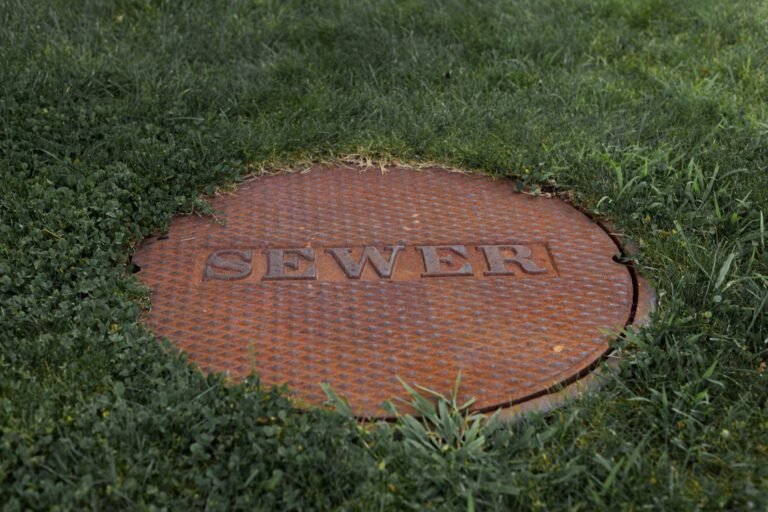
Snaking a sewer line means feeding a long, flexible cable with a cutting head into the pipe to break through a blockage. The cable is turned as it moves through the pipe, and the head cuts, hooks, or pushes the clog apart so water can flow again. The cable is usually fed in through a cleanout, which is an access point in the sewer line, or through a toilet that has been removed from its base.
Snaking is one of the oldest and most common ways to clear a sewer blockage. It works well on soft blockages and on clogs in one part of the line. It does not clean the whole pipe the way hydro jetting does, and it cannot fix a pipe that is cracked, broken, or collapsed.
What affects the cost of snaking a sewer line
Snaking is priced by the job, and several factors shape what a job involves. The table below lists the main ones.
| Factor | How it affects the job |
|---|---|
| Location of the clog | A clog near the cleanout is quicker to reach than one deep in the line |
| Length of the line | A longer run means more cable and more time |
| Access to the line | A clear cleanout makes the job simpler; no cleanout may mean removing a toilet |
| Type of blockage | Grease and soft debris clear more easily than roots or solid objects |
| Time of the visit | Emergency or after-hours visits can involve more work |
| Camera inspection | Needed when the cause is unclear or the clog keeps returning |
| Extra work found | Roots, scale, or damage found during the job may need a separate repair |
Snaking vs hydro jetting
Snaking and hydro jetting both clear blockages, but they do it differently. A snake breaks a hole through the clog so water can flow again. Hydro jetting uses high-pressure water to scour the whole inside of the pipe, removing grease, scale, and buildup along its length. Snaking is often enough for a single, simple clog. Jetting is often suggested when the buildup is heavy, when the clog keeps coming back, or when the pipe needs a thorough clean before a repair or a lining.
When snaking is enough, and when it is not
Snaking is usually enough when the clog is in one place and the pipe itself is in good shape. It is less likely to be enough when:
- The same drain keeps clogging after it has been snaked.
- Several drains are slow or backing up at the same time.
- A camera inspection shows heavy scale, roots, or a damaged pipe.
- The blockage is caused by a collapsed section or a broken pipe.
In those cases, the professional may suggest a camera inspection, hydro jetting, or a repair. Snaking a damaged pipe will not fix the damage, and it can sometimes make it worse.
What to expect during a snaking visit
- Asking about the symptoms. The professional asks which drains are affected, when the problem began, and whether it has happened before.
- Finding access. The cable is fed in through a sewer line cleanout or another access point.
- Snaking the line. The cable is pushed through the pipe while it turns, breaking through the blockage. The professional works the cable back and forth until the clog clears.
- Flushing and testing. Water is run through the line to check that it drains freely. The professional may also check nearby drains.
- Explaining what was found. The professional should tell you what caused the clog and whether a follow-up, such as a camera inspection, is a good idea.
How to keep the line clear after snaking
A cleared line can clog again if the cause is still there. A few habits help: use drain strainers, do not pour grease down sinks, flush only toilet paper, and have the line checked if drains start slowing down. Regular sewer and drain cleaning can also help if your home has older pipes or large trees nearby.
Frequently asked questions
– How much does it cost to snake a sewer line?
There is no single price, because the cost depends on the location of the clog, the length of the line, how easy the pipe is to access, and what is blocking it. A professional can give you a clearer idea after seeing the problem.
+ How long does it take to snake a sewer line?
A straightforward snaking job usually takes under an hour, but a clog deep in the line or one that needs a camera inspection can take longer.
+ Is snaking a sewer line the same as hydro jetting?
No. Snaking uses a cable to break through a blockage. Hydro jetting uses high-pressure water to clean the whole inside of the pipe. Jetting is often suggested for heavy buildup or recurring clogs.
+ Can I snake a sewer line myself?
A small hand auger can clear some simple clogs, but a main sewer line is a bigger job. If more than one drain is affected, if water backs up, or if you hear gurgling, call a professional.
+ When should I call a professional instead of snaking it myself?
Call a professional if the clog keeps coming back, if several drains are slow, if there is a sewage smell, or if the line has not been cleaned in a long time. These signs can point to a problem further along the line.
Related guides: Power Jetting: Hydro Jetting Equipment Explained and Plumbing Water Jet: How Water Jetting Plumbing Works.



One Comment