
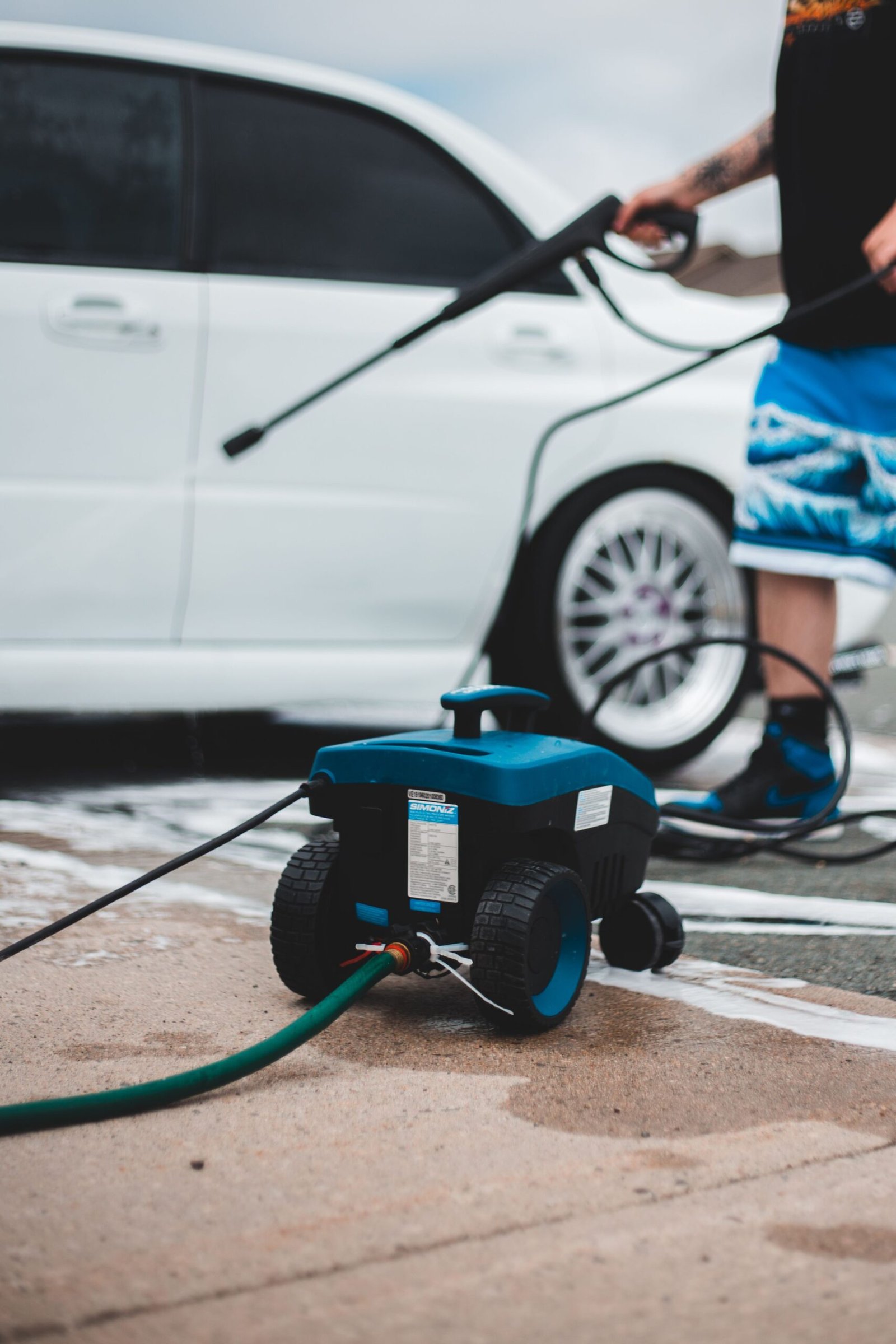
Power Jetting: Hydro Jetting Equipment Explained
Power jetting is another name for hydro jetting, and it describes the equipment as much as the method. A power jetting unit pumps water at high pressure through a hose and nozzle, and that stream of water cleans the inside of a pipe.
Homeowners do not need to operate this equipment themselves. In fact, they should not. But understanding what the equipment is, and how a professional uses it, can help you ask better questions and understand what is happening during a visit.
Florida Sewer Repair connects homeowners with independent local professionals for sewer and drain work. This site does not do the work itself. This guide explains the main parts of a power jetting setup in plain language.
The jetting unit
The jetting unit is the machine that creates the pressure. It is usually mounted on a truck or a trailer, and it has a pump, a water tank, and a hose reel. The pump draws water from the tank or from a water supply, and pushes it through the hose at high pressure.
Units come in different sizes. A smaller unit may be used for drains inside a home, while a larger unit is used for a main sewer line. The professional chooses a unit suited to the pipe size, the length of the line, and the type of blockage.
The hose and nozzle
The hose carries water from the unit to the nozzle inside the pipe. It needs to be strong enough to handle high pressure, and flexible enough to travel through bends in the line.
The nozzle is the part that does the cleaning. Different nozzles have different jet patterns. Some point jets forward to break through a blockage. Others point jets backward, which pulls the hose forward and washes debris back toward the access point. Some nozzles rotate, so the jets cover the full inside surface of the pipe.
Choosing the right nozzle matters. A nozzle that is too large will not fit, and a nozzle that is too small may not clean well. A professional should match the nozzle to the pipe diameter and to the type of buildup.
Other equipment used with jetting
| Equipment | What it does |
|---|---|
| Camera system | Shows the blockage and the pipe condition before and after jetting |
| Cleanout access | Gives the hose a safe entry point into the line |
| Water tank | Supplies water to the pump during the job |
| Hose reel | Stores the hose and helps feed it into the line |
| Protective gear | Protects the operator from water, debris, and splashes |
The camera is especially important. It can show whether jetting is suitable, and whether the pipe is damaged. Our article on hydro jetting pipes explains which materials suit jetting and which need a gentler approach.
How the equipment is used, step by step
- Inspect the line. A camera is run through the pipe to find the blockage and check the pipe condition.
- Set up the unit. The jetting unit is placed near the cleanout, and the hose is connected.
- Choose the nozzle. The professional picks a nozzle for the pipe size and the type of buildup.
- Feed the hose. The hose is pushed slowly into the line while water is running.
- Clean in passes. The hose may be pulled back and pushed forward again to clean the full surface.
- Check the result. Water is run through the line, and the camera may be used again to confirm the pipe is clear.
For a homeowner view of the whole visit, see Hydro Jetting Your Pipes: What to Expect During the Visit.
Safety and why it is not a DIY job
Power jetting equipment uses very high pressure, and the water stream can cause serious injury if it is not handled correctly. It can also damage a fragile pipe if the pressure is wrong for the material.
That is why jetting is a job for a trained professional. The operator should wear protective gear, should know the pipe condition before starting, and should control the pressure for the job. Homeowners should keep children and pets away from the work area, and should not try to operate the equipment themselves.
If a company offers to jet your line without inspecting it first, ask why. A camera inspection is a reasonable first step, and a hydro jetting plumber should be willing to explain the plan for your home.
What to ask about the equipment
- What size unit will you use for my line?
- What nozzle will you use, and why?
- What pressure is planned for my pipe material?
- Will you inspect the line with a camera before and after?
- How will you protect my home and yard during the job?
Regular sewer cleaning can help keep a line clear after jetting, especially in homes with older pipes or a history of recurring clogs. Florida Sewer Repair can connect you with an independent local professional who can inspect your line and explain whether power jetting is right for your home.
+ What is power jetting?
Power jetting is another name for hydro jetting. It uses a high-pressure water stream through a hose and nozzle to clean the inside of a drain or sewer pipe.
+ What equipment is used for power jetting?
A jetting unit with a pump and water tank, a high-pressure hose, a nozzle chosen for the pipe, and a camera system to inspect the line before and after.
+ How does a jetting nozzle work?
Jets at the front break through a blockage, while jets at the back pull the hose forward and wash debris back toward the access point. Some nozzles rotate to cover the full pipe surface.
+ Is power jetting safe for all pipes?
No. It suits sound pipes in good condition, but fragile, cracked, or collapsed pipes can be damaged. A camera inspection should come first.
+ Can I rent power jetting equipment and do it myself?
It is not recommended. The equipment uses very high pressure and can cause injury or damage a pipe if it is not handled correctly. Hire a trained professional.




One Comment