
Sewer Cleaning: How Often to Do It and What It Includes
Most homeowners only think about their sewer line when something goes wrong. A slow drain here, a gurgle there, and suddenly every fixture in the house is backing up. Regular sewer cleaning is the maintenance step that is meant to prevent that moment, by clearing buildup from the main line before it becomes a full blockage.
This guide explains what sewer line cleaning actually involves, how often it makes sense for different homes, and how the two main methods, the drain snake and hydro jetting, compare. It is about routine care, not about clearing a single clogged sink.
What Is a Sewer Cleaning?
A sewer cleaning is a professional service that removes buildup from the main sewer line, the pipe that carries wastewater from your home to the public sewer or septic system. Over time, grease, soap residue, scale, and small debris coat the inside of that pipe. Tree roots can also grow in through joints and cracks, and they catch everything that passes by.
Cleaning is different from clearing a single fixture. A plunger or a small hand auger works on one sink or toilet. A sewer cleaning works on the whole main line, usually through a cleanout, and it is meant to restore the full diameter of the pipe so water can flow freely again.
How Often Should a Sewer Line Be Cleaned?
There is no single schedule that fits every home, because the right interval depends on the age and material of the pipe, the trees near the line, and how the household uses its drains. As a general guide:
- Newer lines with no history of problems: a preventive cleaning every few years is usually enough, often combined with a camera check.
- Older lines, or homes with large trees near the sewer route: more frequent attention, often every year or two, because roots return even after a thorough cleaning.
- Homes with frequent grease or heavy kitchen use: shorter intervals help, since grease buildup is one of the fastest causes of a narrowed pipe.
- Homes that have already had a backup: follow the interval the technician recommends after that visit, since it will be based on what was actually found in the line.
The most reliable way to set a schedule is a camera inspection after a cleaning. It shows whether the pipe is smooth and clear, or whether roots, scale, or a damaged section will bring the problem back soon. If the camera shows a clean pipe, you can safely stretch the interval. If it shows heavy root growth, a shorter interval is the cheaper option in the long run.
Sewer Snake vs Hydro Jetting
Two tools do most sewer cleaning work, and they are suited to different jobs. A drain snake, also called an auger, is a flexible cable with a cutting or scraping head. It is fed into the line to break up a blockage or cut through roots, and it is often the first tool used when flow is already restricted.
Hydro jetting uses high-pressure water, sent through a nozzle that sprays in several directions, to scour the inside of the pipe. It is better at removing grease, sludge, and fine roots from the pipe walls, and it leaves the line cleaner than a snake alone. It is also the tool most often used for preventive cleaning, when the goal is to restore the pipe rather than just open a path through a clog.
In practice, many jobs use both: the snake opens the line, and the jetter finishes the cleaning. A technician will choose based on the pipe material and condition, because older or damaged pipes need a gentler approach than a sound modern pipe.

What a Professional Sewer Cleaning Includes
A typical professional visit follows a clear sequence. For a fuller walk-through of the work itself, see our step-by-step guide to what professionals actually do. In short, the visit usually includes:
- Assessment. The technician asks about symptoms, checks the affected fixtures, and locates the cleanout.
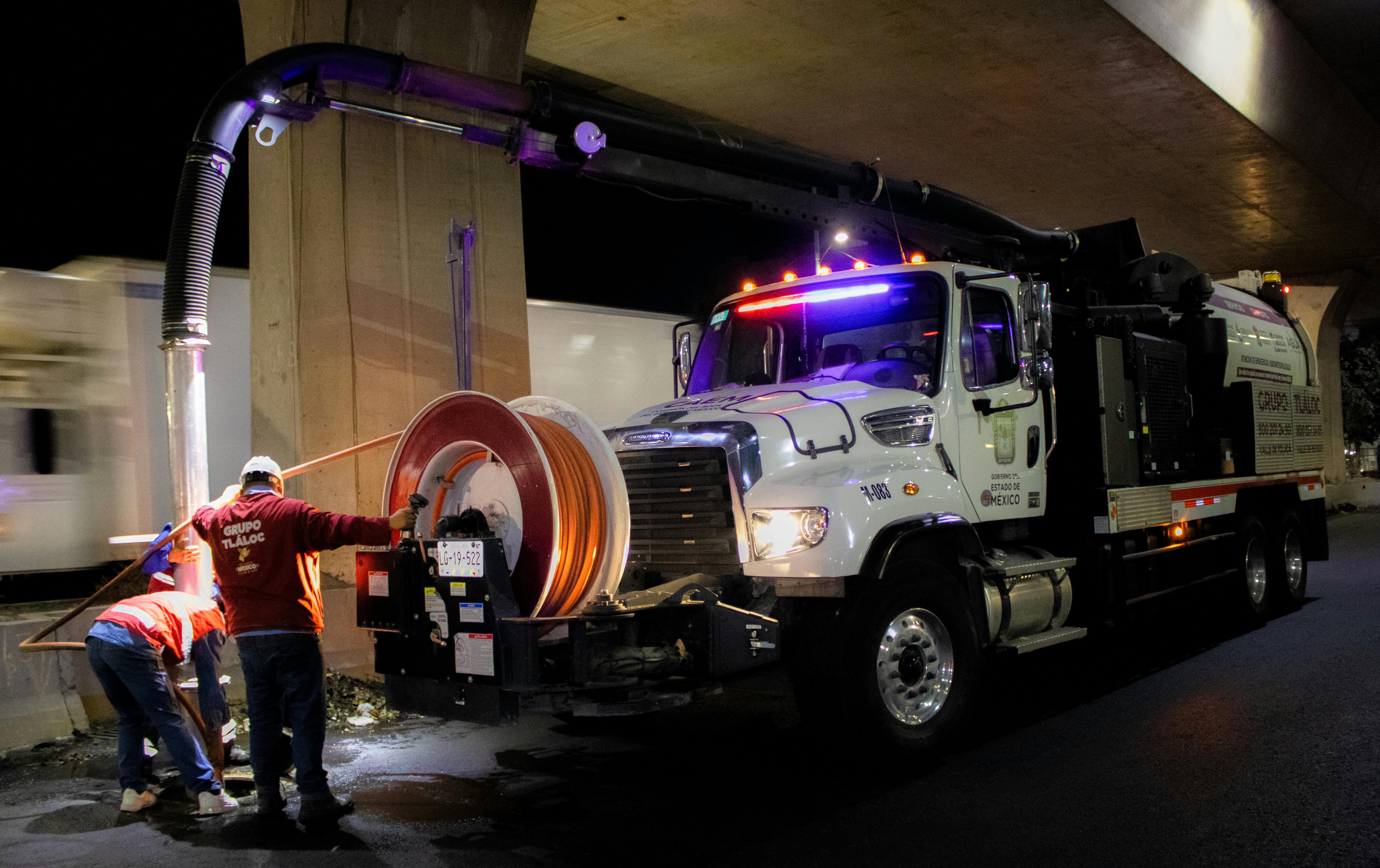
- Access and clearing. The line is opened through the cleanout and cleared with an auger, a jetter, or both, depending on what is inside.
- Flow check. Water is run through the fixtures to confirm that drains are moving freely and that the line is not backing up.
- Camera inspection when warranted. A camera confirms the line is clear and reveals roots, cracks, or other issues that need attention.
- Advice on next steps. The technician explains what was found and suggests a sensible interval before the next cleaning.
What Affects the Cost
Sewer cleaning costs vary, because the work varies. The main factors are the method used, since jetting takes different equipment from snaking, the length of the line and how far the buildup extends, and how easy the cleanout is to reach. Severity matters too: a light grease coating is a different job from a line packed with roots.
Other factors include whether a camera inspection is included, whether the visit is routine or an emergency call, and whether follow-up work, such as root treatment or a repair, is needed. Ask for a clear description of what is included before the work starts, so a basic clearing is not confused with a full cleaning and inspection.
Keeping the Line Clean Between Visits
Good habits stretch the time between cleanings. Keep grease out of the drains, flush only human waste and toilet paper, and use strainers to catch food and hair before they reach the main line. If you have trees near the sewer route, watch for the early signs of root intrusion: a drain that slows gradually, or gurgling that comes and goes.
Finally, do not ignore a drain that keeps slowing down after it has been cleared. That pattern usually means the underlying buildup or root problem is still in the line, and an earlier cleaning, or a camera check, will save a backup later.
Frequently Asked Questions
What is a sewer cleaning?
A sewer cleaning is a professional service that clears buildup, such as grease, scale, debris, and tree roots, from the main sewer line, usually through a cleanout, using a drain auger or a hydro jetter. It restores full flow through the pipe and is different from clearing a single clogged sink or toilet.
How often should a sewer line be cleaned?
It depends on the home. Newer lines with no problems can often go a few years between preventive cleanings, while older lines, homes with large trees near the sewer route, or homes with heavy grease use may need cleaning every year or two. A camera inspection after a cleaning is the best way to set a sensible interval for your line.
Can I clean my sewer line myself?
For a single slow fixture, a plunger or a small hand auger can help. For the main sewer line, do-it-yourself work is risky: a rented auger can injure you or damage a pipe, chemical cleaners do not remove roots or heavy grease, and without a camera you cannot confirm the line is actually clear. Main line cleaning is best left to a professional.
How much does sewer cleaning cost?
The cost depends on the method used, the length of the line, how severe the buildup is, how easy the cleanout is to reach, whether a camera inspection is included, and whether the visit is routine or an emergency. A straightforward preventive cleaning is generally simpler than clearing a heavily rooted or badly blocked line.
If your drains are slowing down, or it has been a long time since your line was last cleaned, Request a Callback and ask about a cleaning and camera check for your home.
Related reading: our complete drain cleaning guide for homeowners, how hydro jetting plumbing works for your pipes, and how hydro jetting cleaning compares with snaking.
If your drains are already showing warning signs, see our guide to 7 signs your sewer line needs cleaning (before it backs up).




4 Comments