
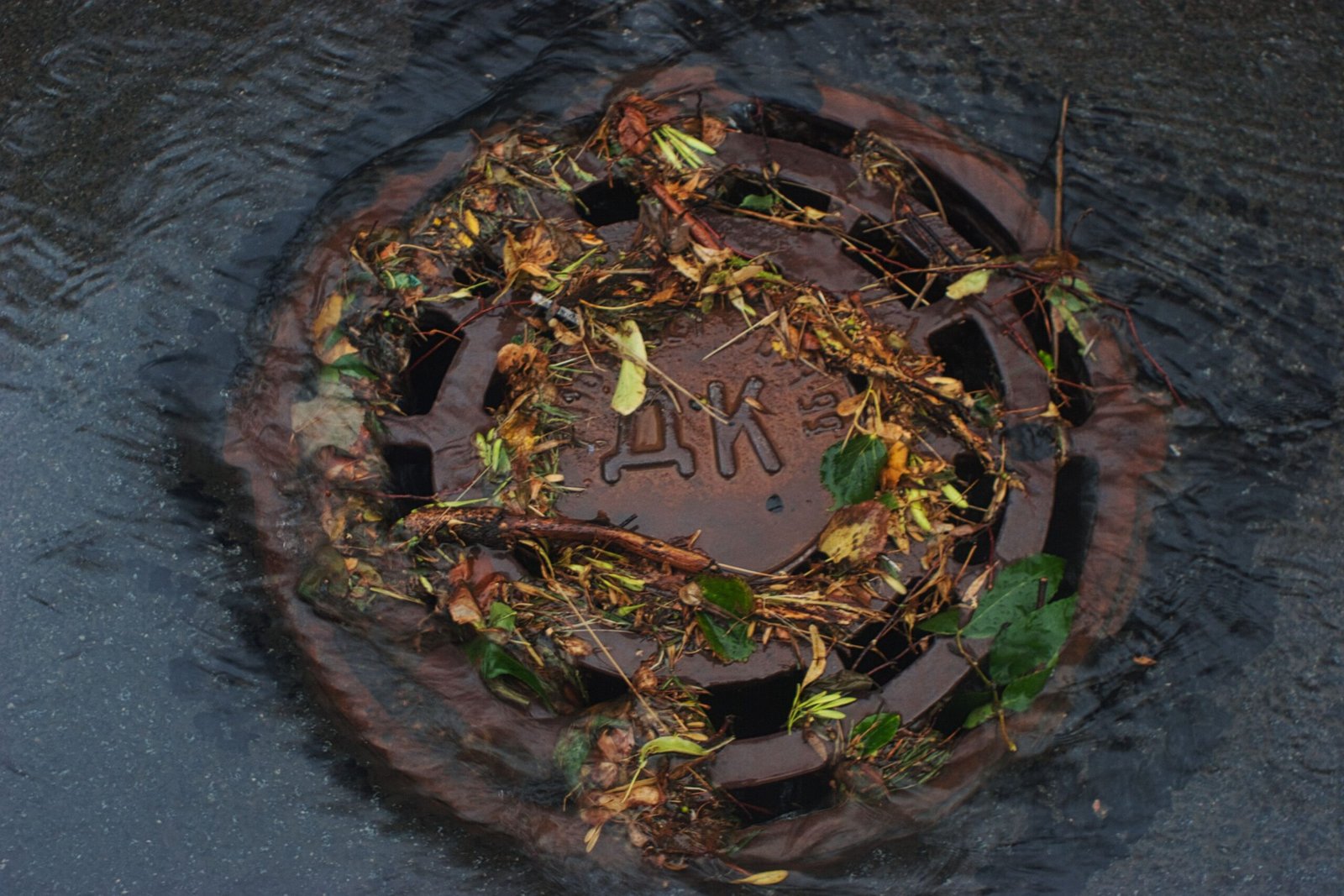
Drain Cleaning: A Complete Homeowner’s Guide
Drain cleaning is the work of keeping the drains in a home clear so water flows away freely. It covers everything from a slow bathroom sink to a blocked main sewer line. This guide explains what drain cleaning is, the methods used, what you can do at home, and when to call a professional.
Florida Sewer Repair does not carry out cleaning work itself. The site connects homeowners with independent local professionals who can help with sewer line cleaning and related services. This guide explains what to expect when one of those professionals visits your home.
What Is Drain Cleaning?
Drain cleaning is the removal of buildup and blockages from the pipes that carry wastewater away from a home. It covers the drains in kitchens, bathrooms, and laundry rooms, the main sewer line, and the outdoor drains in the yard and driveway. The goal is the same in every case: restore the free flow of water.
Drain cleaning can be routine maintenance or a response to a problem. Routine cleaning keeps buildup from becoming a blockage. Problem cleaning deals with a drain that is already slow or blocked. For a broader view of professional services, see our guide to sewer and drain cleaning.
Common Drain Problems
Most drain problems fall into a few common types. The table below lists them and their likely causes.
| Problem | Likely cause | What helps |
|---|---|---|
| Slow drain | Buildup of grease, soap, or hair | Cleaning the drain and the trap |
| Clogged drain | A blockage in the pipe | Plunging, snaking, or jetting |
| Gurgling sounds | Air trapped by a partial blockage | Clearing the blockage |
| Bad smells | Trapped debris or a dry trap | Cleaning and running water |
| Several drains slow at once | A blockage in the main line | Professional main line cleaning |
| Water backing up | A serious blockage | Professional help right away |
Drain Cleaning Methods Compared
There are several ways to clean a drain. Each method suits a different kind of problem.
| Method | How it works | Best for |
|---|---|---|
| Plunging | Pressure pushes the blockage through | Simple clogs near the drain |
| Snaking | A cable breaks up or pulls out the blockage | Clogs deeper in the pipe |
| Hydro jetting | High-pressure water scours the pipe walls | Heavy grease, scale, and roots |
| Enzyme cleaners | Natural enzymes break down organic matter | Light buildup and maintenance |
| Camera inspection | Video shows the inside of the pipe | Finding the cause of a problem |
How to Clean Drains at Home
Homeowners can handle simple drain cleaning themselves. These steps cover the safe basics.
- Remove visible debris. Take off the drain cover and clear hair and debris from the drain opening.
- Try a plunger. For a slow or clogged sink, tub, or toilet, a plunger often clears the blockage. Make sure the plunger seals around the drain.
- Flush with hot water. Run hot water through the drain for a minute to help clear grease and soap residue.
- Clean the trap. If a sink stays slow, the trap under the sink may hold debris. This is a job for a confident homeowner or a professional.
- Stop if it does not work. If plunging and hot water do not help, the blockage is deeper in the pipe. That is the time to call a professional.
When to Call a Professional
Some drain problems need professional equipment and training. Call a local professional when:
- Several drains are slow at once. This points to a blockage in the main line, not a single fixture.
- Water backs up. Water appearing in a shower or tub when a toilet is flushed needs attention right away.
- The same drain keeps clogging. A drain that clogs again soon after being cleared often has buildup further down the line.
- There is a bad smell that will not go away. A lasting smell of sewage can point to a problem in the line.
- Home methods do not help. If plunging and hot water fail, the blockage is beyond simple home methods.
How to Keep Drains Clear
A few habits help drains stay clear between cleanings.
- Use strainers. Drain strainers catch hair and food before they enter the pipe.
- Keep grease out of drains. Pour cooking grease into a container and throw it away, rather than down the sink.
- Flush only what should be flushed. Wipes, cotton, and other items that do not break down can block a line.
- Run hot water regularly. Hot water helps clear grease and soap residue from pipes.
- Book regular cleanings. A yearly professional cleaning keeps buildup from becoming a blockage.
To learn more about professional drain work, see our guides to sewer line cleaning, sewer drain cleaning service, and sewer cleaning.
Drain Cleaning for Older Homes
Older homes often need drain cleaning more often than newer ones. Cast iron and clay pipes, which were common in older homes, collect scale and rough patches that catch debris. Tree roots also find their way into older joints more easily. If a home is more than thirty years old and has never had a camera inspection, a professional cleaning and inspection is a good place to start. It shows the condition of the lines and sets a cleaning schedule that fits the home.
Frequently Asked Questions
+ What is drain cleaning?
Drain cleaning is the removal of buildup and blockages from the pipes that carry wastewater away from a home. It covers kitchen and bathroom drains, the main sewer line, and outdoor drains. The goal is to restore the free flow of water.
+ How often should drains be cleaned?
Many homes benefit from a professional drain cleaning every one to two years. Homes with older pipes, large trees nearby, or a history of clogs may need it every year. A camera inspection can help set the right schedule.
+ What is the difference between drain cleaning and drain cleanings?
There is no difference in the work. Drain cleaning is the usual term, while drain cleanings, drains cleaning, and drain plus cleaning are simply other ways people search for the same service.
+ Can I clean my drains myself?
Homeowners can clear simple clogs with a plunger, remove debris from drain covers, and flush drains with hot water. Blockages deeper in the pipe, repeated clogs, and main line problems need professional equipment and are best left to a local professional.
+ When should I call a professional instead of cleaning a drain myself?
Call a professional when several drains are slow at once, when water backs up, when the same drain keeps clogging, or when home methods do not help. These signs often point to a blockage in the main line.
Related guides: Hydro Jet Drain: How Drain Jetting Clears Stubborn Clogs and Hydro Jet for Drain Cleaning: Drains vs. Sewers Explained.
For prevention habits that keep drains from clogging in the first place, see our guide to how to prevent clogged drains in Florida homes.



5 Comments