How to Prevent Clogged Drains in Florida Homes
Most clogged drains do not happen all at once. They build up slowly, a little grease here, a little hair there, until one morning the water will not go down. The good news is that most clogs are preventable, and the habits that prevent them are simple.
This guide explains how to prevent clogged drains in Florida homes, room by room, and what to do when a drain starts to slow down. Florida adds its own challenges, from sandy soil to hard water and fast-growing trees, so a few local habits matter more here than they would elsewhere.
Florida Sewer Repair connects homeowners with independent local sewer professionals; we do not perform the work ourselves. If anything below sounds like your home, you can request a callback through our contact page or email floridasewerrepair@gmail.com and we will connect you with a local professional.
Why Drains Clog in Florida Homes
Drains clog for the same reasons everywhere, but Florida’s climate and soil can speed the process up. Grease hardens on pipe walls, soap scum builds up in showers, hair collects in bathroom drains, and food scraps settle in kitchen lines. Sand can enter through a damaged joint and settle in low spots. Tree roots can find their way into a sewer line and catch everything that passes.
Hard water also plays a part. Mineral deposits narrow pipes over time, especially in homes with older plumbing. A pipe that is already narrowed by scale will clog much sooner than a clean, smooth pipe.
Kitchen Drains: Stop Grease and Food
The kitchen is where most clogs start. Cooking grease is the main culprit. It goes down the sink as a liquid, cools in the pipe, and hardens into a sticky layer. Over weeks and months, that layer narrows the pipe and traps food particles.
- Let cooking grease cool, then scrape it into the trash. Never pour it down the sink.
- Wipe greasy pans with a paper towel before washing them.
- Use a sink strainer to catch food scraps, and empty it after each meal.
- Run cold water while using a garbage disposal, and run it for a few seconds after the food is gone.
- Do not put coffee grounds, rice, pasta, or starchy foods down the drain.
These habits matter most in homes that cook often. A busy kitchen can build up grease in a few months, while a lightly used kitchen may take years. If your kitchen drain keeps slowing down, the line may already have a grease layer that needs professional drain cleaning to remove.
Bathroom Drains: Hair, Soap, and Small Items
Bathroom drains clog more slowly, but they clog just as surely. Hair is the main problem in showers and tubs. It wraps around the drain, catches soap scum, and forms a mat that water cannot pass through.
- Use a hair catcher in every shower and tub drain, and clean it weekly.
- Brush hair before showering, so less of it goes down the drain.
- Do not flush wipes, cotton balls, dental floss, or hygiene products, even if the packaging says flushable.
- Keep small items away from open drains, especially in homes with young children.
- Rinse the shower drain with hot water once a week to move soap residue along.
Toilets: Only Paper and Waste
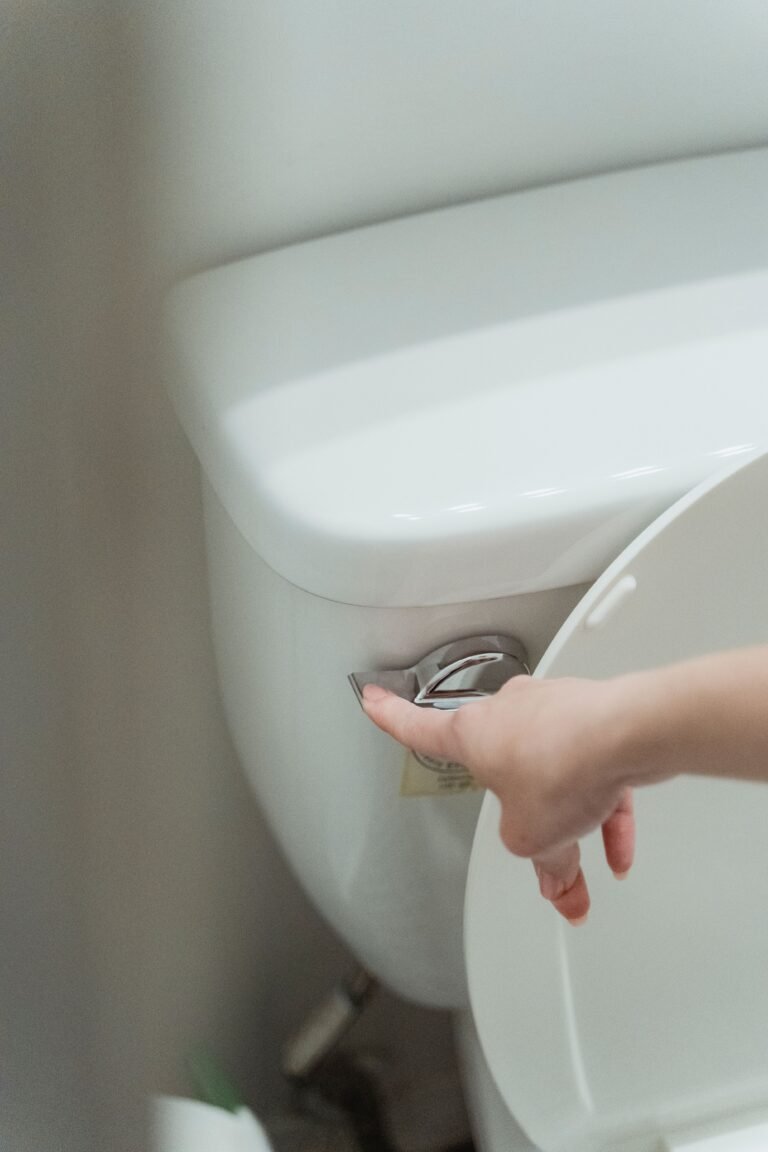
Toilets are built for only two things: human waste and toilet paper. Everything else can cause a clog, either in the toilet itself or further down the line. Wipes are the most common cause of toilet clogs, because they do not break down in water the way toilet paper does.
Keep a small trash bin next to every toilet, and make sure guests know what goes in it. If a toilet flushes weakly or needs a second flush, that is an early warning sign, not a problem to ignore.
Watch: How to Prevent Sink Clogs
Outdoor Drains and the Sewer Line
Prevention is not only about the drains inside the house. The main sewer line carries everything away, and it has its own risks. Tree roots, sand, and shifting soil can all affect it.
- Know where your sewer line runs, and avoid planting large trees directly over it.
- Keep outdoor drains and gutters clear of leaves and sand, especially after storms.
- Do not let a slow drain in several fixtures go unreported. That pattern points to the main line, not a single sink.
- Have the sewer line camera-inspected if clogs keep returning in the same place.
For a fuller picture of professional cleaning, see our guide to sewer drain cleaning and our sewer cleaning page.
What Not to Pour Down Drains
| Do not pour or flush | Why it causes clogs |
|---|---|
| Cooking grease and oil | Hardens on pipe walls and traps debris |
| Coffee grounds | Settle and form a dense, gritty layer |
| Wipes of any kind | Do not break down in water |
| Hair and dental floss | Wrap around drains and catch other debris |
| Paint, chemicals, and medicines | Can damage pipes and should not enter the sewer system |
A Simple Monthly Routine
Prevention works best as a routine, not a one-time fix. Once a month, take ten minutes to check the drains in your home.
- Clean every drain strainer and hair catcher.
- Run hot water through each sink and shower for a minute.
- Check that every drain is emptying at a normal speed.
- Look under sinks for dampness or a musty smell.
- Note any drain that is slower than last month, and watch it.
If a drain is slowing down month after month, that is the time to act. A professional cleaning now is usually simpler than an emergency backup later. A camera inspection can show whether the problem is grease, roots, or a damaged pipe, and a professional can advise on the right next step.
Frequently Asked Questions
What is the best way to prevent clogged drains?
Use strainers in every sink and shower, keep grease and wipes out of drains, and clean strainers weekly. Flush only toilet paper, and act early when a drain starts to slow down.
Can I prevent clogs without chemicals?
Yes. Strainers, good habits, and hot water are the most effective prevention. Chemical drain cleaners can damage pipes and rarely remove a heavy buildup.
How often should drains be cleaned?
It depends on the home. A busy household may benefit from professional cleaning every year or two, while a lightly used home may go longer. Recurring slow drains are a sign that cleaning is due.
Why do my drains keep clogging in Florida?
Grease, hair, and soap build up in any home, but Florida adds sand, hard water, and tree roots. A camera inspection can show which of these is affecting your line.
When should I call a professional about a slow drain?
Call a professional if more than one fixture is slow, if a drain keeps clogging after you clear it, or if water backs up into a tub or shower. Those patterns point to a problem in the main line.