

Sewer Backup: Why It Happens and How to Prevent It
A sewer backup is one of the most unpleasant problems a homeowner can face. Wastewater that should flow away from the house instead comes back through a toilet, tub, shower, or floor drain. It can happen suddenly, it can damage floors and belongings, and it can raise health concerns if the water is sewage rather than clean water.
Understanding why backups happen helps you respond safely and reduce the chance of a repeat. This guide covers the common causes, the first steps to take during a backup, what professional help usually involves, and the prevention steps that matter most for Coconut Creek homes.

1. What a Sewer Backup Is
A sewer backup happens when wastewater cannot flow out through the main sewer line and instead reverses into the home. The lowest drains are usually affected first, because they offer the easiest path back. A backup can be a small amount of water around a floor drain, or it can be a larger flow that affects a bathroom or laundry area.
It is important to distinguish a backup from a single clogged fixture. If only one toilet or sink is slow, the problem is usually local. If several fixtures are affected, water appears in a tub when a toilet flushes, or sewage is coming up through a floor drain, the main line or the wider sewer system is likely involved. A clogged sewer line is one of the most common reasons for this pattern.
2. Common Causes of a Sewer Backup
Blockages in the main line are a leading cause. Tree roots, grease buildup, flushed wipes, and other debris can narrow or block the pipe until wastewater has nowhere to go. A cracked, sagging, or collapsed pipe can cause the same result by trapping waste at the damaged section.
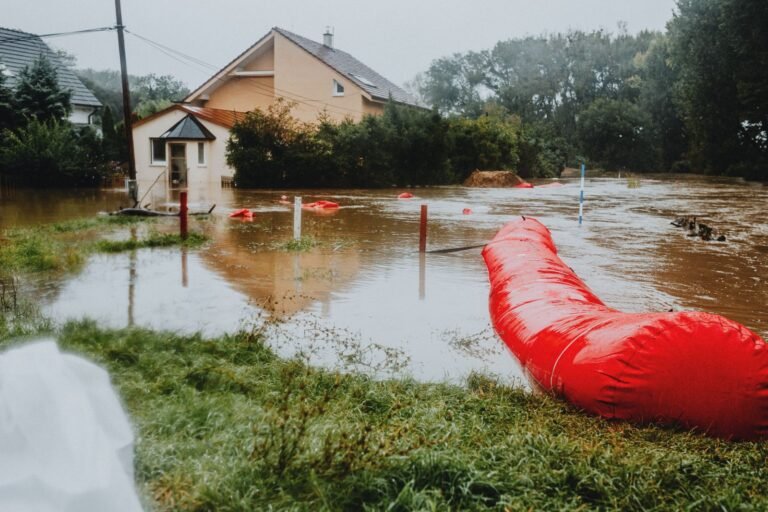
Heavy rain can also contribute, especially in low-lying parts of South Florida. If the public sewer system is overloaded, or if a home has a combined or poorly protected connection, water can push back toward the house. Older homes without a backwater prevention valve, or with a valve that has failed, are more vulnerable during intense storms.
3. What to Do During a Backup
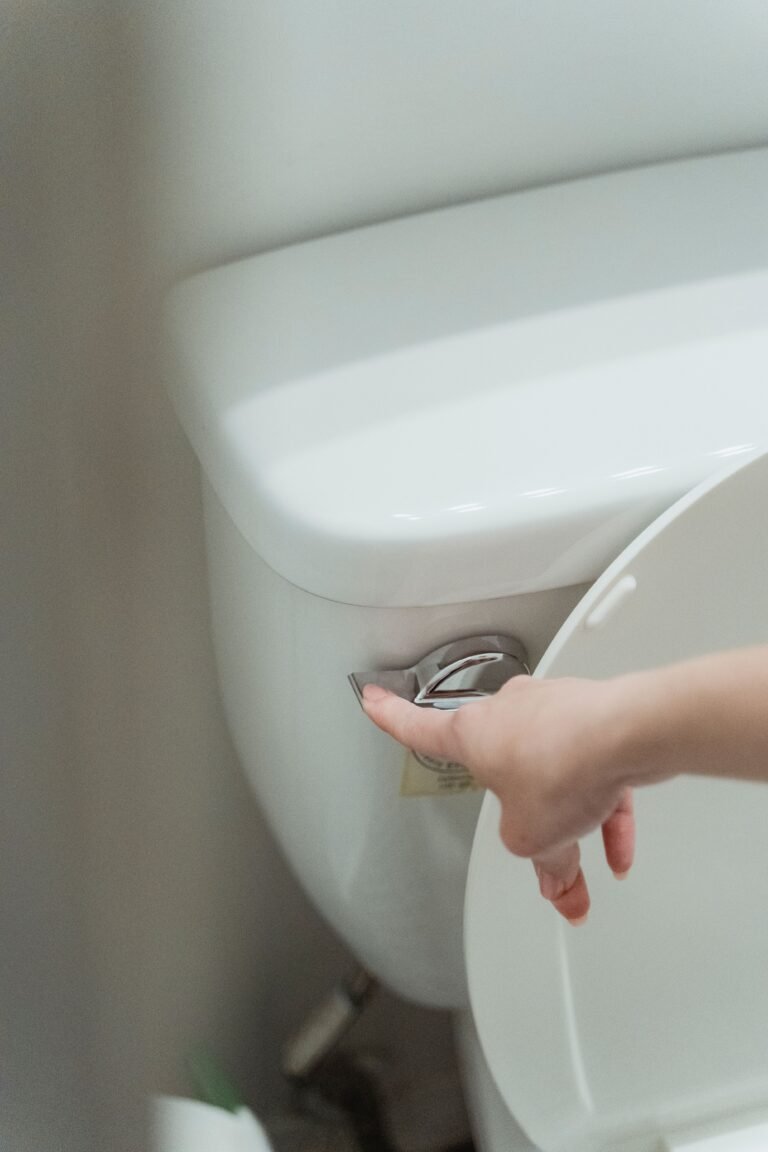
Stop using water in the affected area right away. Do not flush toilets, run showers, or start the dishwasher or washing machine, because every additional gallon can add to the backup. If sewage is present, keep people and pets out of the area, avoid touching the water, and do not try to clean it with household tools while water is still rising.
Note where the water is coming from, which fixtures are affected, and whether the problem started during or after heavy rain. Take photos from a safe distance if you can, because they help with cleanup and with explaining the problem to a technician. If water is near electrical outlets, appliances, or a breaker panel, do not step into it; seek help before entering the area.
4. How Professionals Handle a Backup
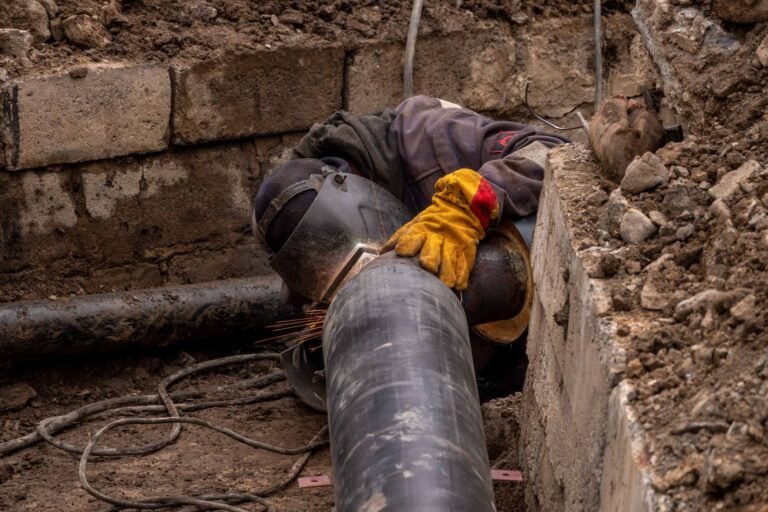
Professional help usually starts with finding whether the blockage is inside the home, in the main line, or beyond the property. Clearing the line may involve a cable or hydro jetting, depending on the cause. When a backup returns or the cause is unclear, a camera inspection can show roots, damage, or a sagging section that cleaning alone will not fix.
For homes that have had repeated backups, a technician may also check for a backwater valve, which is designed to let wastewater flow out while preventing it from flowing back in. If a valve is missing, damaged, or stuck, it may need repair or replacement. Emergency help is appropriate when sewage is actively entering living areas, because the health and property risks grow quickly.
5. Preventing the Next Backup
Prevention starts with the same habits that prevent main-line clogs: keep grease out of drains, flush only toilet paper, and be cautious with large trees near the sewer route. Schedule cleaning or an inspection if your home has had a backup before, especially if the line is older or if drains have been slow for months.
Ask about backwater protection if your home is low-lying or has had storm-related backups, and keep the sewer cleanout accessible so a technician can work quickly in an emergency. Small steps, such as noticing gurgling early and acting on it, are often what keep a slow drain from becoming a backup.
Frequently Asked Questions
What should I do first during a sewer backup?
Stop using water, keep people and pets away from sewage, and avoid the affected fixtures. Note which drains are backing up and whether it started during heavy rain, then get professional help rather than trying to force more water through the system.
Is a sewer backup an emergency?
It can be. Sewage entering living areas, water near electrical equipment, or a backup that is spreading should be treated as urgent. A small, contained floor-drain issue still needs prompt attention, because the cause may be a main-line blockage that will worsen.
Can heavy rain alone cause a sewer backup?
Heavy rain can contribute, especially when a public sewer is overloaded or a home lacks working backwater protection. Rain alone is less likely to cause a backup if the home line is clear and protected, so a backup after rain still deserves an inspection of the home line.
How can I prevent another backup?
Keep grease and non-flushable items out of drains, address slow drains early, and consider a camera inspection after a backup to find the cause. For low-lying homes or homes with storm-related backups, ask about backwater protection and keep the cleanout accessible.
A sewer backup is disruptive, but a clear response helps limit damage: stop the water, stay safe, and find the cause rather than just clearing the symptom. If you need help in Coconut Creek, Request a Callback for emergency sewer repair, or email floridasewerrepair@gmail.com. Describe where the water appeared and which fixtures are affected, and Florida Sewer Repair can connect you with independent local sewer professionals who can check the line and plan the fix.
One more step matters after the immediate problem is handled: cleanup and follow-up. Sewage-contaminated water should be treated as unsafe, so affected items that cannot be thoroughly cleaned and dried may need to be discarded, and hard surfaces should be cleaned and disinfected carefully. Soft furnishings, rugs, and cardboard that soaked up sewage are often not worth saving, especially in a ground-floor room where moisture can linger. Drying the area matters too, because damp floors, baseboards, and wall cavities can develop mold if they stay wet. Fans, dehumidifiers, and opening windows when the weather allows can help, but a room that smells musty after drying, or that shows staining and warping, should be checked further rather than simply covered over. Finally, ask what the inspection found and whether a follow-up check is recommended, because a backup that was cleared without finding its cause is more likely to return.
Keeping a record of the backup — dates, photos, and what the technician found — also helps if the problem returns, because the pattern often points to the part of the line that needs attention next.
One device that can keep a backup from reaching your home is a backflow preventer, but it only helps if it is working. See sewer backflow preventer failure for the signs that the valve is failing and what to do about it.
Related reading: Backups are not only a homeowner problem. Our guide to commercial sewer repair explains how larger pipes, grease and root loads, downtime planning, and Broward County codes make business properties a different job. If sewage water is already inside, see our emergency sewage cleanup Miami guide for the first steps. If the problem is a basement fixture, our sewage ejector pump guide explains what the pump does.
More on sewer backups: If water damage is your main worry, see our guide to water sewer backup and how to limit the damage. For the health and safety side, see our guide to sewage backup. New to the topic? Start with what is sewer backup, a beginner’s guide.


11 Comments