
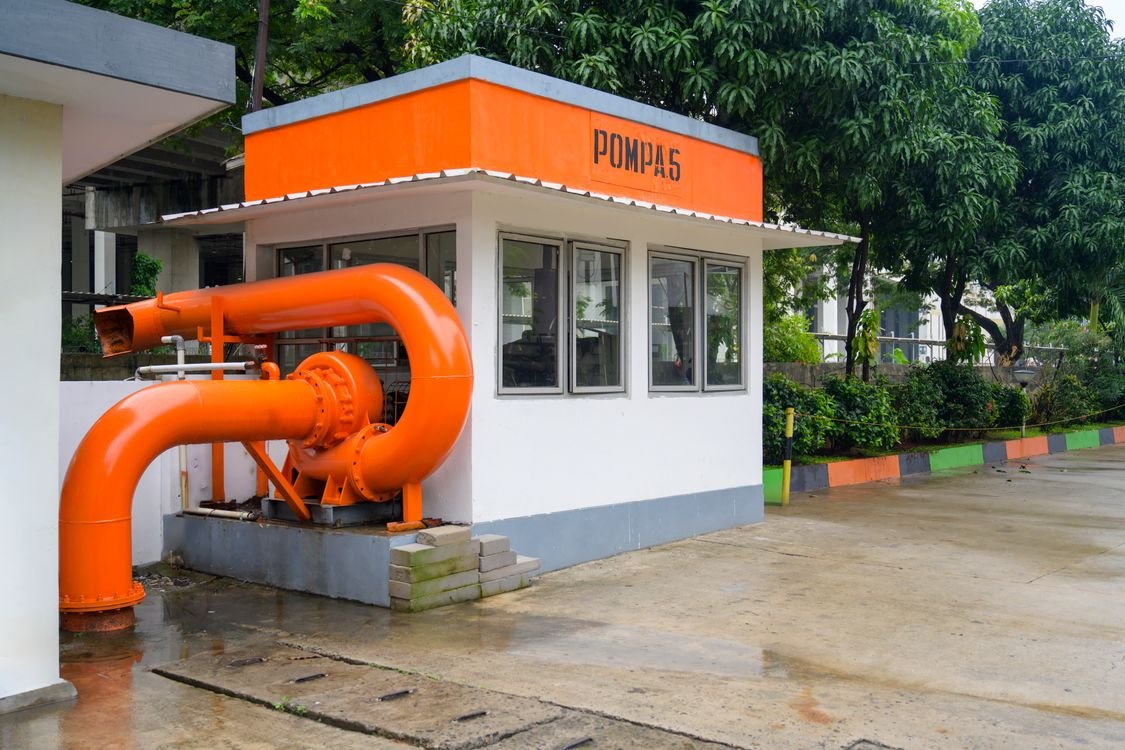
Sewage Ejector Pump: What It Does and Signs It Needs Attention
If your home has a bathroom or laundry room below the level of the main sewer line, wastewater cannot flow out on its own. A sewage ejector pump is the part that moves it. This guide explains what a sewage ejector pump does, how it works, and the signs that it needs attention.
Florida Sewer Repair is a referral service that connects homeowners with independent local professionals. We do not carry out the work ourselves. A local professional can inspect the pump, explain what is wrong, and carry out any repair or replacement that is needed.
What Is a Sewage Ejector Pump?
A sewage ejector pump is a pump that sits in a sealed basin below floor level. Wastewater from below-grade fixtures drains into the basin, and when the water reaches a set level, the pump switches on and pushes the wastewater up through a discharge pipe to the main sewer line.
You will usually find one in a home with a basement bathroom, a laundry room in the basement, or a bathroom added below the main floor. Without the pump, wastewater from those fixtures would have nowhere to go.
How a Sewage Ejector Pump Works
The system has a few parts that work together:
- Wastewater drains into the basin. The basin is a sealed tank set into the floor.
- A float switch rises with the water level. When the water reaches the set level, the switch turns the pump on.
- The pump pushes the wastewater up. It moves the water through a discharge pipe to the main sewer line.
- A check valve stops the water from flowing back. The valve closes once the pump stops, so wastewater cannot drain back into the basin.
- A vent pipe carries gases out. The basin is vented through the roof, which keeps odors out of the home.
Signs Your Ejector Pump Needs Attention
Most ejector pumps work quietly in the background, so a change in how they sound or behave is worth noticing:
- The pump runs constantly or cycles on and off every few minutes.
- The pump does not turn on at all, and water backs up into a basement fixture.
- You hear grinding, rattling, or humming that is louder than usual.
- A sewage odor appears near the basin or in the basement.
- Water drains slowly from a basement sink, toilet, or shower.
- The alarm sounds, if your system has one. The alarm usually means the water level in the basin is too high.
Common Ejector Pump Problems
| Problem | What it can mean |
|---|---|
| Pump runs all the time | A stuck float switch or a check valve that is letting water flow back |
| Pump will not start | A tripped breaker, a failed float switch, or a worn-out motor |
| Loud grinding or rattling | Something caught in the pump, or a worn bearing |
| Sewage odor near the basin | A loose lid seal or a blocked vent pipe |
| Slow drains in the basement | A partial blockage in the discharge pipe or a pump that is losing power |
| Alarm sounding | Water level too high in the basin, often because the pump has stopped |
What to Do If Your Ejector Pump Stops Working
If the pump stops and water is backing up, stop using the below-grade fixtures right away. Do not flush a basement toilet or run a basement sink until the pump is working again, because the wastewater has nowhere to go.
Check the breaker for the pump circuit. If the breaker has tripped, you can reset it once. If it trips again, leave it off and call a local professional. Do not open the basin lid yourself – the basin contains sewage water and gas.
If water is already backing up into the home, our guide to sewer backup explains the first steps to take, and emergency sewer backup covers what happens when the backup needs urgent help. A local professional can arrange the cleanup and the repair.
How to Keep Your Ejector Pump Working Well
A few habits help the pump last longer and avoid sudden failures:
- Only flush toilet paper and human waste in a basement toilet. Wipes, paper towels, and hygiene products can jam the pump.
- Keep grease and food scraps out of a basement sink. They can build up in the basin and the discharge pipe.
- Listen for changes. If the pump sounds different or runs longer than usual, have a local professional check it before it fails.
- Have the system checked regularly. A professional can test the float switch, check the check valve, and look for wear during a routine visit. A sewer camera inspection can also show whether the discharge line is clear.
- Know where the breaker and the alarm are. If the pump stops, you will know how to turn off the power safely and whether the alarm is sounding.
If the pump itself is worn out, a local professional can replace it. If the problem is in the sewer line beyond the pump, see our guide to sewer line replacement for what that involves. For an urgent problem, emergency sewer repair explains how to get help quickly.
Frequently Asked Questions
– What does a sewage ejector pump do?
A sewage ejector pump moves wastewater from fixtures below the main sewer line up to the sewer. Without it, wastewater from a basement bathroom or laundry room would have nowhere to go.
+ How long does a sewage ejector pump last?
It depends on how often the pump runs and how well it is maintained. A pump that only serves an occasional basement bathroom lasts longer than one that runs several times a day. A local professional can check the condition of your pump during a routine visit.
+ What happens if the ejector pump fails?
Wastewater from below-grade fixtures has nowhere to go, so it can back up into a basement sink, toilet, or shower. Stop using those fixtures and call a local professional right away.
+ Can I use the toilet if the ejector pump is broken?
No. Do not flush a basement toilet or run a basement sink while the pump is not working. The wastewater cannot reach the sewer line and will back up into the fixtures.
+ How much does it cost to replace a sewage ejector pump?
The cost depends on the type of pump, the size of the basin, and how the system is installed. A local professional can inspect your setup and give you a quote based on what is needed.



One Comment