

Sewer Replacement: What It Involves and When You Need It
A sewer replacement means taking out a failed sewer line and putting in a new one. It is the biggest fix a home sewer line can need, and it usually comes up after years of repeat problems — backups, slow drains, and repairs that no longer hold. This guide explains what a sewer replacement involves, the signs that point to one, how the work is done, and what affects the cost.
Florida Sewer Repair connects homeowners with independent local sewer professionals; we do not perform the work ourselves. If anything below sounds like your home, you can request a callback through our contact page or email floridasewerrepair@gmail.com and we will connect you with a local professional.
What Is Sewer Replacement?
A sewer replacement is a full swap of the pipe that carries wastewater from your home to the city sewer or septic system. The old pipe is removed or abandoned in place, and a new pipe takes its place. That is different from a repair, which fixes one damaged section and leaves the rest of the line as it is. A replacement makes sense when the line has failed in more than one place, or when the pipe material itself has reached the end of its life — common with older cast iron and clay pipes in Florida homes. A local professional will usually start with a camera inspection of the line before recommending a full sewer line replacement, so the decision is based on what the pipe actually looks like inside.
Signs You May Need a Sewer Replacement
One bad day does not mean you need a new line. A replacement usually follows a pattern. Watch for these signs:
- Backups that keep coming back, even after the line has been cleared.
- Several drains running slow at the same time, not just one sink or tub.
- A sewage smell in the yard or near drains that does not go away.
- Soggy or sunken patches in the yard, or grass that grows much faster in one strip.
- Gurgling sounds from toilets and drains when water is running elsewhere.
- A camera inspection that shows cracks, breaks, or heavy corrosion along most of the line.
Any one of these is worth a professional look. Several together usually mean the line is failing as a whole, not in one spot.
How a Sewer Replacement Is Done
Most sewer replacements follow the same sequence, whether the crew digs a trench or works trenchlessly:
- Camera inspection. A camera is sent through the line to find the damage and measure the run.
- Locating and marking. The line is traced and marked above ground, and underground utilities are located so nothing else is hit.
- Choosing the method. The professional picks open-trench digging or a trenchless method such as pipe bursting, depending on the pipe, the soil, and access.
- Permits. Many areas require a permit before the work starts, and the work may need an inspection when it is done.
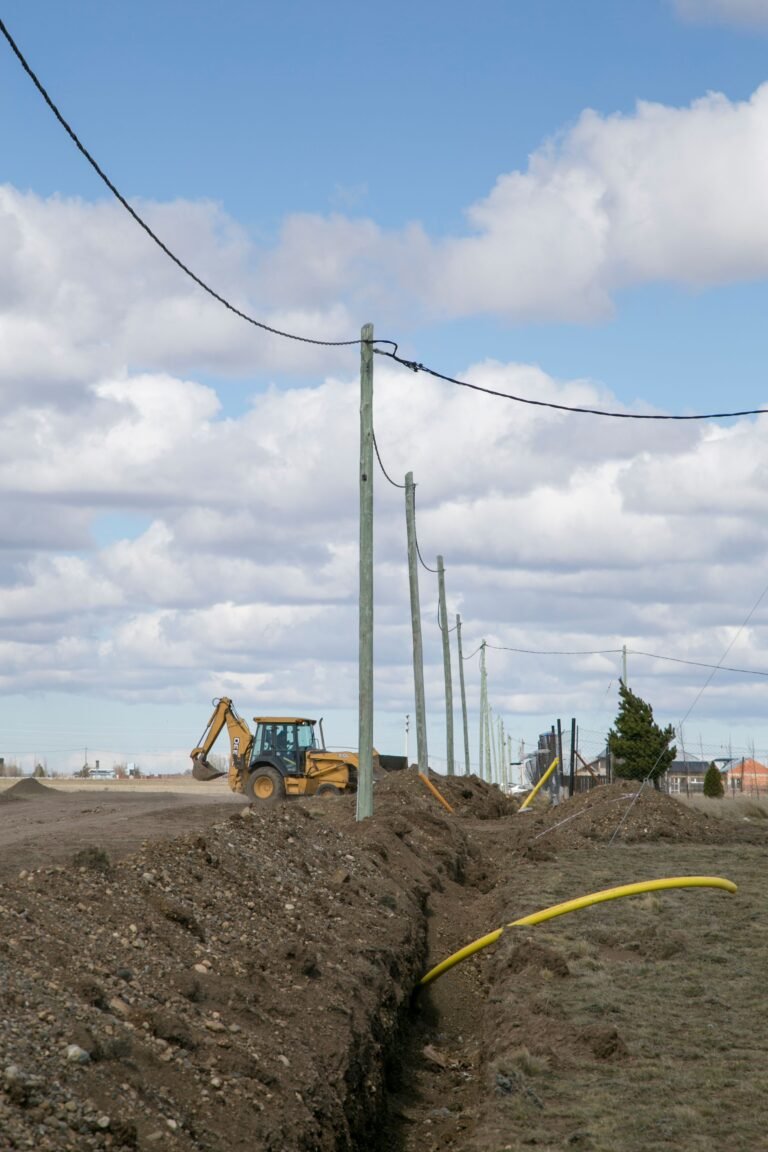
- The replacement. The old pipe is removed or burst apart while a new pipe is pulled into place, or a new pipe is laid in an open trench.
- Testing and restoration. The new line is tested with water and a camera, then the ground is backfilled and the surface put back.
The whole job is normally planned around keeping the home usable, and the water is usually only off for part of the work.
Sewer Replacement vs Sewer Repair
Not every damaged line needs replacing. Here is how the two options compare:
| Situation | Best option |
| A single crack or a bad joint | Repair |
| One short damaged section | Repair |
| Cracks along most of the line | Replacement |
| Collapsed or badly deformed pipe | Replacement |
| Old pipe failing along its whole length | Replacement |
If you are unsure which side your line falls on, a camera inspection and a second opinion from a local professional are worth having before you commit. For more on the smaller fixes, see our guide to sewer line repairs.
How Long Does a Sewer Replacement Take?
A trenchless sewer replacement is often finished in a day, sometimes two. An open-trench replacement takes longer — usually two to four days, depending on the length of the line and how deep it sits. A few things can stretch the schedule: a permit that takes time to arrive, hard access for equipment, a long run, or wet weather that makes digging unsafe. Your professional should be able to give you a timetable before work starts, including when the water will be off and when the yard will be put back.
What Affects the Cost of a Sewer Replacement?
There is no single price for a sewer replacement, because every line is different. The main factors are:
- Length and depth. A longer, deeper line means more digging, more pipe, and more time.
- Method. Trenchless methods usually cost more per foot but save on digging and restoration; open trenching can be cheaper to dig but more expensive to put back.
- Access. A line under a driveway, patio, or large tree costs more to reach than one under open lawn.
- Pipe material. The type of new pipe and its diameter change the material cost.
- Permits and inspections. Local permits and required inspections add fees and time.
- Restoration. Putting back a driveway, walkway, or landscaping can be a large part of the total.
Ask for a written quote that breaks these out, so you can see what you are paying for. Our guide to the cost to replace sewer pipes explains these factors in more detail.
Frequently Asked Questions
How do I know if I need a sewer replacement?
Repeat backups, several slow drains at once, and a camera inspection showing damage along most of the line are the usual signs. A single problem in one spot usually means a repair is enough.
Can a sewer line be replaced without digging?
Often, yes. Trenchless methods such as pipe bursting replace the line through small access pits, with no long trench. A collapsed pipe or poor access can still mean digging, so the method depends on what the inspection finds.
How long does a sewer replacement take?
A trenchless replacement is often done in a day. An open-trench job usually takes two to four days, depending on the length and depth of the line and on permits.
How long will a new sewer line last?
That depends on the pipe material and how well it is installed. Modern plastic and lined pipes are built to last for decades, and a professional installation with a proper slope and solid joints is what makes the difference.
Will my yard be dug up?
It depends on the method. Trenchless work leaves most of the yard untouched, with digging limited to small access pits. Open-trench work digs along the whole line, and the surface is restored afterwards.
A sewer replacement is a big job, but it solves the problem properly instead of patching it again and again. If your drains keep failing, a camera inspection is the sensible first step. It shows whether a repair will do or whether a full replacement is the better spend, so you can choose with confidence.
Before you agree to the work, ask the professional which method they recommend and why, what pipe material they will use, and what the quote covers — including the camera inspection, permits, backfill, and surface restoration. A clear written quote makes it much easier to compare options and avoids surprises once the digging starts.


One Comment