Sewer Repair in Hollywood, FL: Signs, Options, and How the Process Works
Hollywood is one of Broward County’s older coastal cities, and its homes tell that story. Many were built in the 1950s, 60s, and 70s, long before modern PVC pipe became standard. When the sewer line under one of these homes starts to fail, the symptoms often show up slowly: a drain that never quite clears, a toilet that gurgles, or a backup that returns a few months after it was cleared.
The ground beneath Hollywood adds to the challenge. Sandy soil shifts and settles, the water table sits high, and mature trees send roots deep in search of moisture. Those conditions are hard on buried pipes, especially older cast-iron lines that have been in the ground for half a century or more.
This guide explains the sewer problems most common in Hollywood homes, the repair options available, how the process works from diagnosis to finished repair, and what affects the timeline. If you are deciding whether to repair or replace a line, this is the place to start.
Why Older Hollywood Homes Develop Sewer Problems
Age is the single biggest factor. Cast-iron pipe, the standard in much of Hollywood’s older housing stock, corrodes from the inside out over decades. The inner surface roughens, narrows, and eventually weakens until cracks or holes form. Clay pipe, also common in older installations, is brittle and vulnerable at its joints.
Soil and water make things worse. In sandy ground, a section of pipe can settle unevenly and develop a low spot, called a belly, where wastewater pools instead of flowing away. A high water table keeps the surrounding soil saturated, which can speed corrosion and let groundwater seep into damaged joints. Meanwhile, tree roots exploit any small opening, growing into dense mats that catch waste and eventually block the line.
Warning Signs You Should Not Ignore
Sewer trouble rarely arrives all at once. Watch for these early warnings, especially if more than one appears at the same time:
- Slow drainage in several fixtures at once, which usually points to the main line rather than a single drain.
- Backups that return after plunging, snaking, or drain cleaning.
- Gurgling toilets or drains when another fixture is running.
- A persistent sewage smell indoors, in the yard, or near floor drains.
- Soggy ground, sinkholes, or strips of unusually green grass above the sewer line.
- Foundation cracks or damp spots that cannot be explained by rain or plumbing leaks indoors.
Any of these signs is a reason to have the line inspected on camera before the problem escalates. A video inspection shows exactly what is wrong and where, so repair decisions are based on evidence rather than guesswork.
Sewer Repair Options: From Spot Fixes to Full Replacement
Not every damaged line needs to be replaced. The right fix depends on the type, extent, and location of the damage, and on the pipe material. Common options include:
- Cleaning and root removal. For lines blocked by roots or build-up but otherwise sound, professional cleaning can restore flow. This is often a first step rather than a permanent fix.
- Spot repair. When damage is confined to one short section, only that section is repaired or replaced, leaving the rest of the line untouched.
- Pipe lining. A resin-saturated liner is installed inside the existing pipe, creating a new pipe within the old one. This trenchless method avoids digging up the yard and works well for cracked or root-damaged lines that still hold their shape.
- Pipe bursting. A new pipe is pulled through the old one, breaking the old pipe apart as it goes. This trenchless option suits lines that are too damaged for lining.
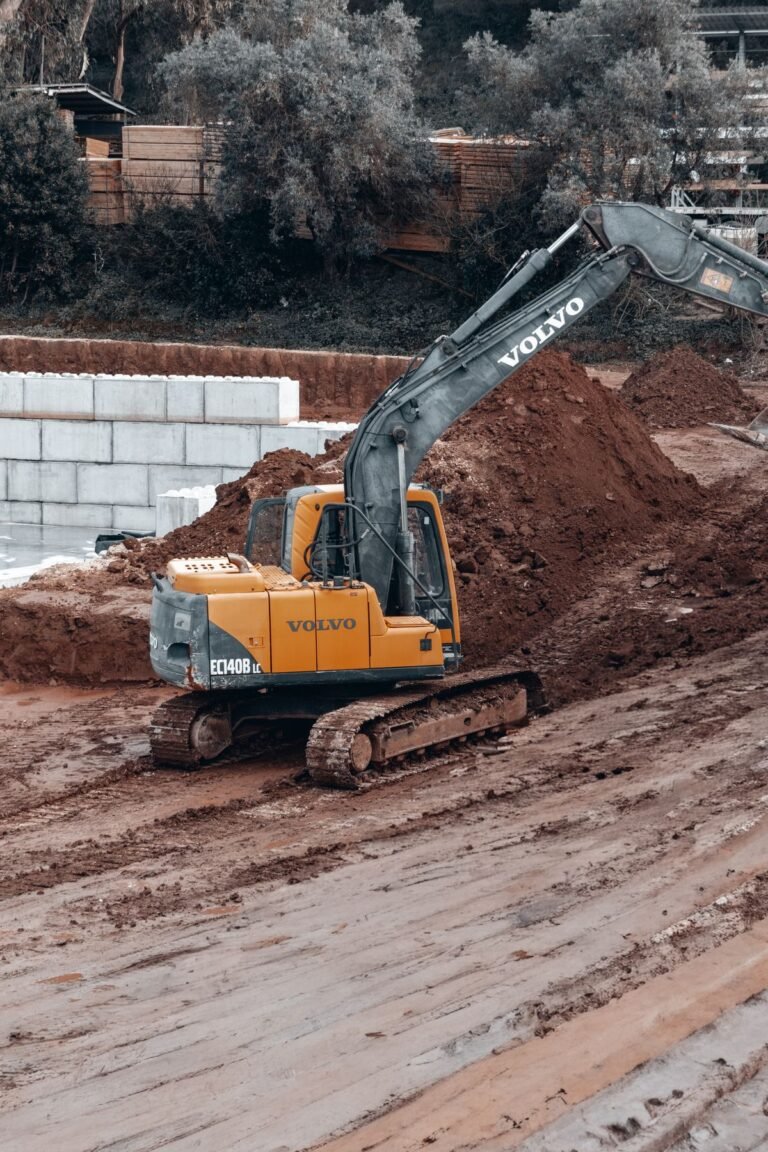
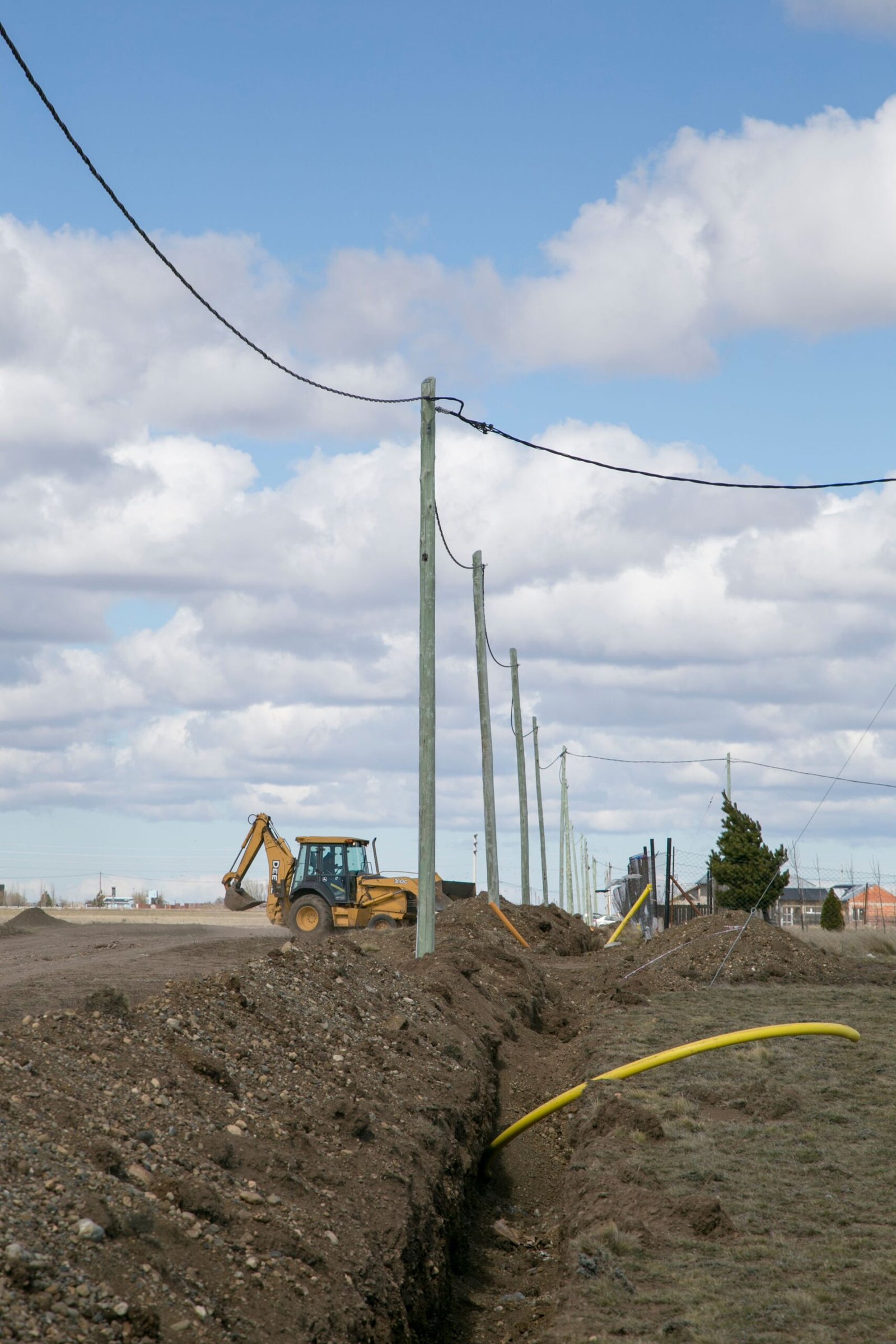
- Open-trench replacement. The damaged line is excavated and replaced outright. This is sometimes the only practical option for collapsed lines, severe bellies, or lines that have lost their alignment.
When damage is widespread or the line has reached the end of its service life, sewer line replacement is usually the more economical long-term choice. For smaller, localized problems, read our guide to sewer pipe repair to see how spot fixes work.

How the Sewer Repair Process Works, Step by Step
Knowing what happens, and in what order, takes much of the stress out of a sewer repair. The typical sequence is:
- Diagnosis. The line is inspected with a sewer camera to locate the damage, measure its extent, and identify the pipe material.
- Recommendation. Based on the footage, the technician explains the options, including trenchless and traditional methods, and what each involves.
- Preparation. Access points are established, the work area is protected, and any permits or utility markings required for excavation are arranged.
- Repair or replacement. The chosen method is carried out, whether that means lining, bursting, a spot repair, or open-trench work.
- Final inspection. The line is camera-checked again to confirm the repair is sound and flowing properly, and the work area is restored.
The camera check at the end matters as much as the one at the start. It confirms the repair solved the problem rather than just covering it up.
Trenchless or Traditional: Which Fits a Hollywood Property?
Trenchless methods are popular in Hollywood for good reason. Many lots are landscaped, fenced, or paved, and homeowners understandably want to avoid tearing up driveways, patios, and mature plantings. Trenchless lining and bursting typically need only small access pits, which keeps restoration to a minimum.
That said, trenchless is not always possible. A fully collapsed pipe, a severe belly, or a line that has lost its grade may need open excavation to correct. Sandy soil and a high water table can also complicate trench work, which is why the method is chosen after the camera inspection, not before.
How to Prepare and What to Ask
Before work begins, clear access to the cleanout and the work area, and note any buried irrigation lines, cables, or sprinkler heads in the yard. Ask for a copy of the camera footage, ask whether the repair will be verified on camera when finished, and ask what restoration is included. Getting those answers in writing protects you and keeps expectations clear.
Frequently Asked Questions
What are the most common sewer problems in older Hollywood homes?
Corroded cast-iron pipe is the most common, followed by tree root intrusion, offset or separated joints, and bellies where sandy soil has settled beneath the line. Grease and mineral scale build-up also narrow older pipes over time, causing slow drains and repeat blockages.
Can a sewer line be repaired without digging up the yard?
Often, yes. Trenchless methods such as pipe lining and pipe bursting repair the line through small access points instead of an open trench. Whether trenchless is possible depends on the pipe’s condition: collapsed sections, severe bellies, and lines that have lost their slope usually still need excavation.
How much does sewer repair cost?
Cost depends on the length and depth of the damaged section, the repair method chosen, how easy the line is to access, the extent of the damage, and how much surface restoration is needed afterward, such as landscaping, concrete, or paving. A camera inspection is the first step toward an accurate scope of work.
How long does a typical sewer repair take?
Many spot repairs and trenchless jobs are completed within a day. Full replacements take longer, and open-trench work adds time for excavation and restoration. Access, weather, soil conditions, and the length of the line all affect the timeline.
If your Hollywood home is showing signs of sewer trouble, do not wait for a backup to force the issue. A camera inspection and an honest assessment of your options will tell you whether a spot repair, a trenchless fix, or a full replacement makes sense. Request a Callback to talk through the next step for your home.