

Sewer Pipe Lining: How CIPP Lining Works
When a sewer pipe cracks, leaks, or fills with roots, digging it up is not the only answer. Trenchless sewer repair offers a different approach, and one of its most common methods is sewer pipe lining. A flexible liner is inserted into the damaged pipe, inflated against its walls, and hardened in place, creating a new, smooth pipe inside the old one. This is called CIPP lining, short for cured-in-place pipe lining. Here is how it works, what it can and cannot fix, and what to expect if you are considering it for your Florida home.
The idea can sound almost too good to be true: a brand-new pipe with no trench through your yard. In many cases it genuinely is that straightforward. In others, the condition of the old pipe rules it out. Understanding the process helps you ask the right questions and spot a contractor who is selling lining for a job it cannot do.
What Is Sewer Pipe Lining?
Sewer pipe lining is a trenchless repair method that restores a damaged pipe from the inside. Instead of removing the old pipe, the crew installs a liner that becomes the new pipe. The liner is a felt or fiberglass tube saturated with a liquid resin. Once it is in place and cured, it hardens into a rigid, seamless tube that seals cracks, bridges gaps at joints, and blocks roots from getting in.
Because the new pipe forms inside the old one, the diameter shrinks slightly. In most residential lines this makes no practical difference to drainage, because the new inner surface is so smooth that water flows at least as well as it did through the old, rough pipe. The result is a pipe that is joint-free along the lined section, which removes the weak points where roots and leaks usually start.
How CIPP Lining Works, Step by Step
- Camera inspection. Everything starts with a video inspection of the line. This confirms the damage, measures the pipe, and checks for collapses or severe offsets that would rule lining out.
- Cleaning. The pipe is cleaned, usually with hydro jetting, so the liner can bond tightly to the walls. Roots, scale, and debris must be removed first.
- Liner preparation. The liner is measured and cut to the exact length of the section being repaired, then saturated with resin and kept protected from light and heat until it is installed.
- Insertion. The liner is pushed or pulled into the pipe from an access point, such as a cleanout, and positioned to cover the damaged section.
- Inflation and curing. The liner is inflated so it presses against the old pipe walls, then cured with hot water, steam, or ultraviolet light. Curing hardens the resin into a solid new pipe.
- Final inspection. The crew runs the camera through again to verify the liner is fully cured, properly positioned, and open at any branch connections, which are reopened with a robotic cutter if needed.
Most residential lining jobs are completed in a day, with the lined section back in service once curing and inspection are finished. There is no trench to backfill and no driveway or landscaping to rebuild, which is the main reason homeowners choose it.
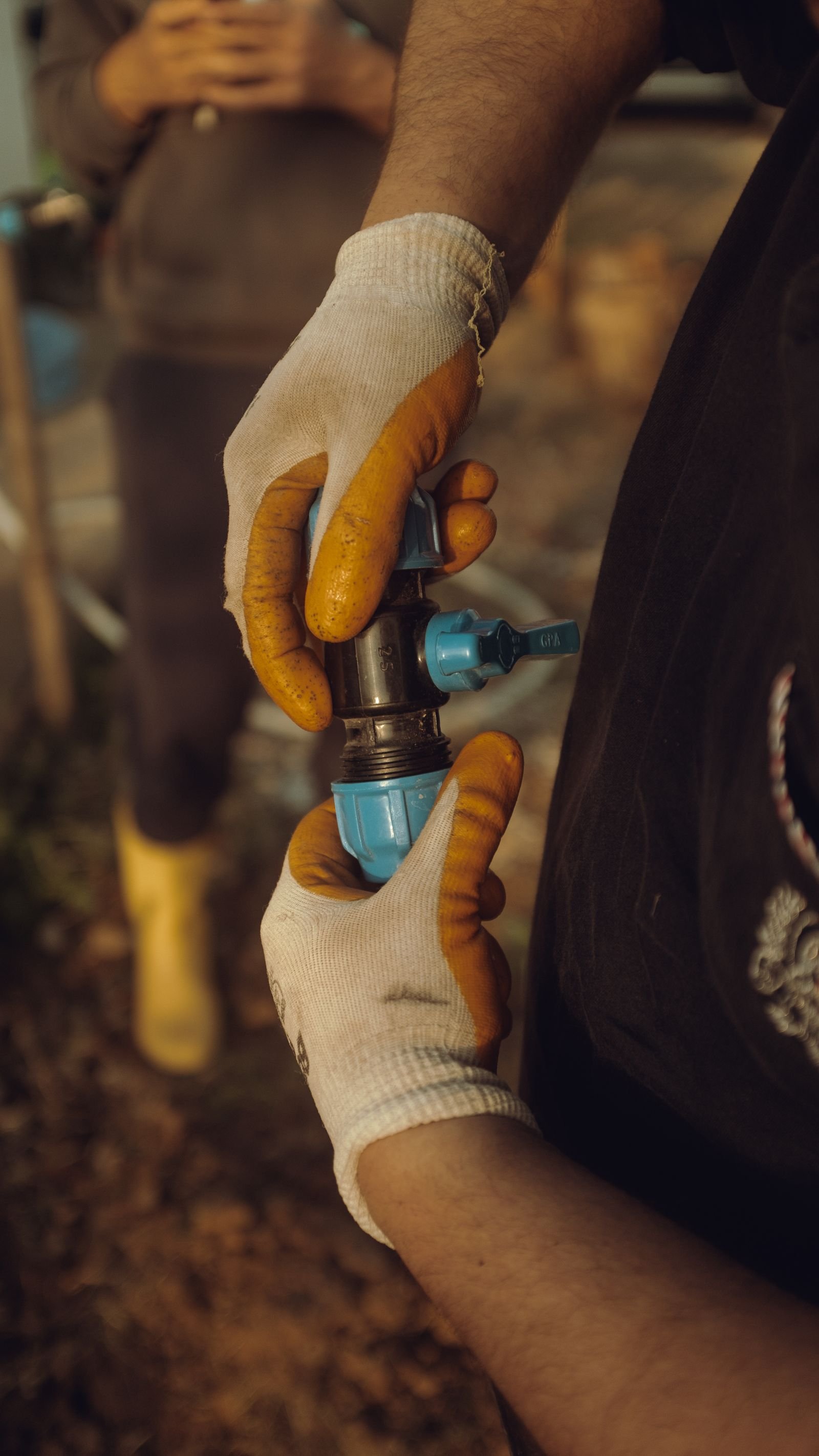
What Sewer Pipe Lining Can Fix
Lining is an excellent fit for the most common kinds of sewer pipe deterioration. It seals cracks and fractures, stops leaks at joints, blocks root intrusion, and smooths over corrosion and rough spots that catch debris. It is often used on older clay, cast iron, and concrete pipes that are structurally passable but failing at joints and weak points. For a homeowner dealing with recurring backups caused by roots or a cracked section of pipe, lining can solve the problem without tearing up the property.
Lining is also useful when the pipe runs somewhere difficult to dig. In Coconut Creek and across Broward County, sewer lines often pass under driveways, pool decks, patios, and mature landscaping. Lining avoids all of that restoration work, which is a large part of its appeal in South Florida homes.
When Lining Is Not the Right Choice
Lining has limits, and a trustworthy contractor will say so. It cannot fix a pipe that has fully collapsed, because there is no passage for the liner. It cannot correct a pipe that has sagged badly or shifted far out of alignment, and it cannot change a pipe’s route or fix a line that was installed with the wrong slope. In those cases, the pipe usually needs to be replaced, sometimes trenchlessly by another method and sometimes by digging.
This is why the camera inspection matters so much. A lining quote given without a video inspection is a guess. If a contractor recommends lining without showing you the camera footage or explaining the pipe’s condition, get a second opinion before agreeing to the work.
Lining vs. Full Replacement: How to Decide
When the damage is limited to a section of pipe that is still structurally sound, lining is usually the less disruptive and often the more affordable option. When the entire line is failing, or the pipe is collapsed or badly misaligned, replacement makes more sense. Our guide to trenchless sewer line replacement explains how a full run of pipe can be replaced without a long trench, so you can compare the two trenchless options side by side.
It also helps to know how the problem was found. Many lining jobs start with a camera inspection that reveals the damage clearly. If you are not sure whether you need one, our guide to the sewer camera inspection explains what the camera shows and when an inspection is worth doing.
What to Ask Before You Book Lining
A short conversation before the job starts can prevent most disappointments. Ask the contractor to show you the camera footage and point out exactly where the damage is, and whether the pipe is a good candidate for lining or borderline. Ask how the line will be cleaned before the liner goes in, what curing method will be used, and how branch connections will be reopened afterward. Also ask what happens if the liner cannot be installed as planned once work begins, so there are no surprises on the day. Clear answers to these questions are a good sign that you are dealing with a crew that does this work regularly and stands behind it.
Frequently Asked Questions
How long does a lined sewer pipe last?
A properly installed CIPP liner is designed to last for decades, often comparable to a new pipe. Its actual life depends on the installation quality, the condition of the host pipe, and how the line is used and maintained afterward.
Will lining reduce my pipe’s size and cause slow drains?
The liner does reduce the inside diameter slightly, but the new surface is very smooth, so water typically flows as well as or better than it did through the old, rough pipe. Slow drains after lining are unusual and should be investigated.
Can sewer pipe lining be done without digging at all?
Often, yes. Many jobs use an existing cleanout as the access point. When no cleanout exists or access is poor, a small pit may be dug at one end of the run, but this is far less disruptive than an open trench along the whole line.
How do I know if my pipe can be lined?
Only a camera inspection can answer that reliably. It shows whether the pipe is intact enough for a liner, whether it is collapsed or badly offset, and how long the damaged section is. Any lining recommendation should be based on that footage.
Sewer pipe lining is one of the most homeowner-friendly advances in sewer repair: a new pipe, created inside the old one, with your yard left largely intact. It is not right for every pipe, but when the camera shows a line that is damaged yet still passable, it is often the simplest path back to a reliable sewer system. If you are weighing lining against replacement, or wondering whether your pipe qualifies, Request a Callback and we will talk through what the camera shows, or email us at floridasewerrepair@gmail.com.
Related: Sewer Liner Installation Cost: Factors That Shape the Quote
Related: lining is the fix most root-damaged pipes need. Learn the root intrusion repair options after tree roots damage a sewer line, and how root infiltration starts and how lining fixes it.




2 Comments