
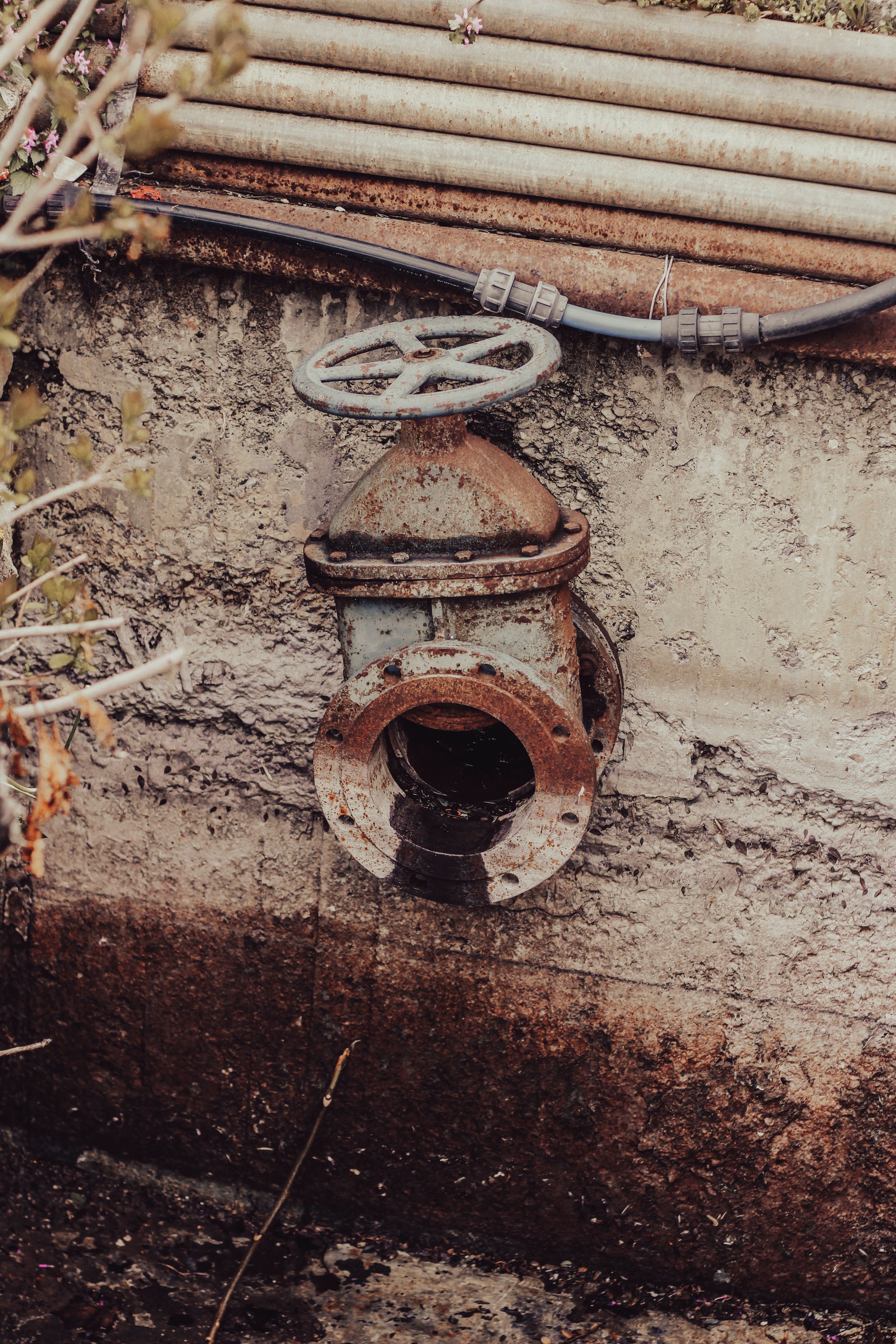
Sewage Pipe Replacement: When a New Sewage Pipe Is Needed
Sewage pipe replacement means taking out a damaged sewage pipe and putting a new one in its place. The sewage pipe is the line that carries wastewater away from your home, so when it fails, the symptoms show up everywhere at once: slow drains, bad smells, and backups that keep returning. This guide explains when a sewage pipe needs replacing, what the work involves, and how to choose between repair and replacement.
Florida Sewer Repair is a referral service that connects Florida homeowners with independent local sewer professionals. We do not carry out repairs or replacements ourselves, and a local professional who visits your home can confirm the exact scope of the work and which option fits your situation. This guide explains sewage pipe replacement in plain steps so you know what to expect and what to ask before any work begins.
What a sewage pipe does
Every drain in your home feeds into the sewage pipe. It carries wastewater from toilets, sinks, showers, and laundry out to the municipal sewer main or to a septic system. In most Florida homes the sewage pipe runs underground from the foundation, across the yard, and to the street connection.
Because it is buried, a sewage pipe can fail quietly for years. Older pipes were often cast iron, clay, or Orangeburg fiber, and each material fails in its own way: cast iron corrodes, clay cracks at the joints, and Orangeburg can deform and collapse. Newer pipes are usually PVC, which resists corrosion and root intrusion.
Signs a sewage pipe is failing
One slow drain is usually a local clog. A failing sewage pipe affects the whole house. Watch for these signs:
- Several fixtures draining slowly or backing up at the same time
- Toilets that gurgle when a sink or shower drains
- Sewage smells inside the home or in the yard
- Damp, sunken, or unusually lush patches in the yard
- Backups that return soon after a cleaning
If you notice more than one of these signs, ask a local professional for a camera inspection. The footage shows the pipe material, the location and type of damage, and whether the problem is local or runs the full length of the line.
When replacement beats repair
A spot repair makes sense when the camera finds one bad section and the rest of the pipe is sound: a single crack, one failed joint, or a small root entry point. A full sewage pipe replacement is the better call when the damage is widespread or the pipe itself is at the end of its life.
Replacement is usually recommended when the pipe is collapsed, when cracks and root intrusion run along most of its length, when the pipe has sagged and lost its slope, or when the material is so old that new failures keep appearing. Repairing a pipe in that condition often means paying for the same job twice.
Materials used for new sewage pipes
New sewage pipes in Florida are usually PVC. It is light, smooth inside, and resistant to corrosion and roots. In some situations a professional may use another material, such as HDPE for a trenchless pipe-bursting job, where the pipe needs to flex as it is pulled through.
The material should be named in the written scope, along with the pipe size and the method of installation. If the professional suggests something other than PVC, ask why that material fits your line and your soil conditions.
What the replacement involves
The work follows a familiar sequence. First, the line is inspected with a camera and marked above ground. Then the crew gains access: by digging a trench along the line, or by opening small pits at each end for a trenchless method. The old pipe is removed or broken apart, the new pipe is laid at the correct slope, and the line is connected at both ends.
Before the trench is filled, the new pipe is tested with water and checked with a final camera pass. The trench is backfilled in layers and compacted, and the surface is restored. Ask the professional to walk the site with you before the crew leaves, and confirm that permits and inspections, where required, are handled as part of the job.
Related reading: Sewer Pipe Repair: From Spot Repair to Full Replacement, Sewer Pipe Replacement: When a New Pipe Is the Answer, and Main Sewer Line Replacement: What the Whole Job Covers.
Frequently Asked Questions
How do I know if my sewage pipe needs replacing?
Whole-house symptoms point to the sewage pipe: several drains backing up at once, gurgling toilets, sewage smells, and backups that return after cleaning. A camera inspection confirms whether the pipe is cracked, collapsed, or root-damaged along its length.
Can a sewage pipe be replaced without digging?
Often yes, using trenchless methods such as pipe bursting or pipe lining, which need only small access pits. A collapsed pipe or one that has lost its slope may still need open digging. A camera inspection shows which option fits your pipe.
What is the difference between sewage pipe repair and replacement?
Repair fixes a single damaged section while the rest of the pipe stays in place. Replacement installs a new pipe along the full run. Repair fits local damage in an otherwise sound pipe; replacement fits widespread damage or a pipe at the end of its life.
How long does sewage pipe replacement take?
Most replacements take one to a few days of work, depending on the length and depth of the pipe, the method, and the surface above it. Trenchless methods are often faster than open digging, but permits and inspections can add time.
Will my yard be restored after sewage pipe replacement?
Restoration should be part of the written scope. Ask whether backfilling, compaction, sod, paving, and cleanup are included. Get these details in writing before agreeing to the work.
Sewage pipe replacement is the right answer when the pipe is failing along its length or has reached the end of its life. The camera inspection tells you which situation you are in, and a written scope tells you what the job includes. With those two pieces in place, you can choose between repair and replacement with confidence.
Before you agree to any work, it helps to get the scope, the method, and any preparation steps in writing, and to confirm that the professional will handle permits and inspections where required. Florida Sewer Repair can connect you with an independent local professional who serves your area. Request a callback from Florida Sewer Repair, or email floridasewerrepair@gmail.com.



One Comment