
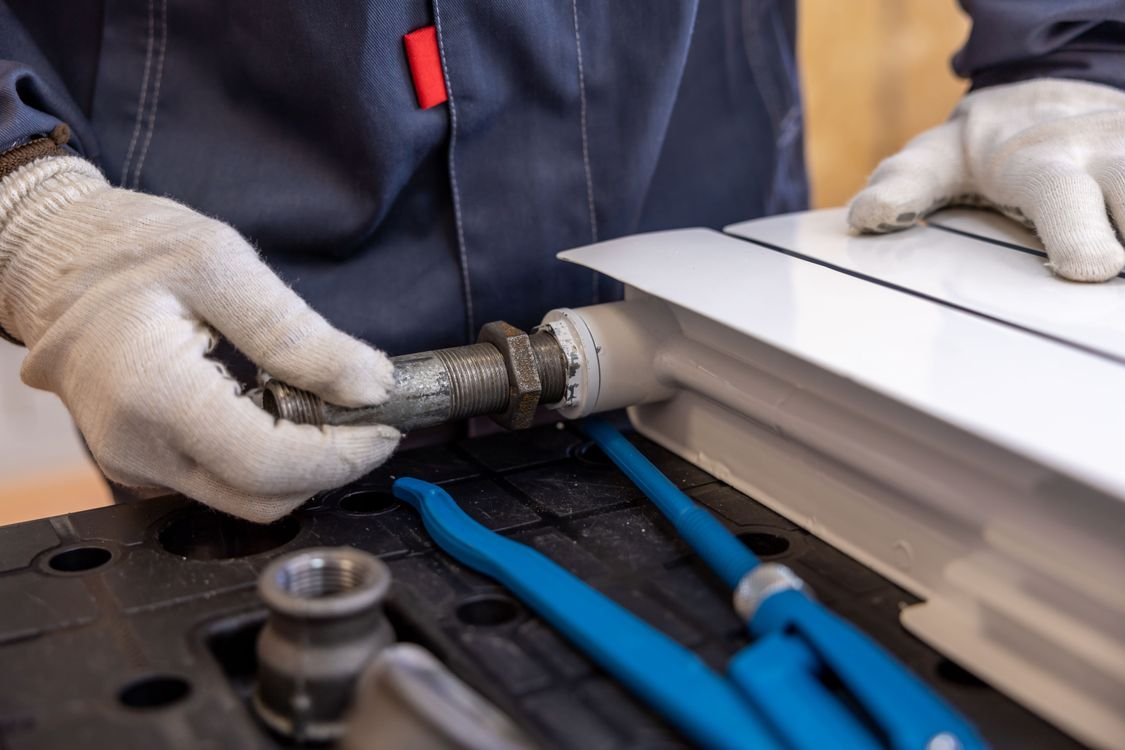
Plumber Hydro Jetting: When to Hire a Jetting Plumber
A plumber hydro jetting service uses a high-pressure stream of water to clear blockages and clean the inside of sewer and drain pipes. If your drains keep backing up even after plunging or snaking, or if several fixtures drain slowly at the same time, hydro jetting may be the next step a professional recommends.
Florida Sewer Repair connects homeowners with independent local professionals who can assess the problem and carry out the work. This site does not provide plumbing services itself. The guide below explains when hiring a jetting plumber makes sense, what the visit usually involves, and which questions to ask before you agree to the work.
What Is Plumber Hydro Jetting?
Hydro jetting sends water through a hose and a specially designed nozzle into a drain or sewer line. The water leaves the nozzle at high pressure and scours the pipe walls as the hose moves through the line. The process can break up grease, flush out sludge, and clear soft blockages that a drain snake may only push through.
A plumber who offers hydro jetting usually starts with an inspection. In many cases that means a camera inspection first, so the professional can see what is causing the blockage and whether the pipe is in good enough condition for high-pressure water. Older or damaged pipes may need a different approach, which is why the inspection matters.
Hydro jetting is different from a standard drain snake. A snake bores a hole through a clog so water can flow again. Jetting cleans the full diameter of the pipe, which is why professionals often recommend it for recurring clogs and heavy grease build-up.
When to Hire a Hydro Jetting Plumber
Not every slow drain needs jetting. A single slow sink is often a local clog that a plunger or a hand auger can clear. Hydro jetting is usually worth discussing when the problem is wider than one fixture or keeps coming back.
Consider calling a professional about jetting if you notice:
- Several drains in the home are slow at the same time.
- The same drain clogs again within weeks of being cleared.
- Water backs up into a tub or shower when a toilet is flushed.
- Gurgling sounds come from drains or toilets.
- Grease, soap scum, or years of build-up are likely in the line.
- A sewer smell lingers around drains even after cleaning.
If you already have a plumber for a clogged sewer line visit planned, ask whether jetting is part of the plan or a separate step. For a full overview of how the method works across a whole system, see our guide to system hydro jetting.
What Happens During a Hydro Jetting Visit
Knowing the usual sequence helps you judge whether the visit is thorough. A typical hydro jetting visit follows these steps:
- Assessment and access. The professional locates the problem, finds an access point such as a cleanout, and checks the layout of the line.
- Camera inspection. A small camera is often fed into the pipe to find the blockage and check the pipe’s condition.
- Setting up the jetter. The hose and nozzle are prepared, and the water pressure is set for the pipe material and the type of blockage.
- Jetting the line. The nozzle moves through the pipe, scouring the walls and pushing debris toward the main sewer connection.
- Follow-up inspection. The camera goes back in to confirm the line is clear and the pipe walls are clean.
- Clean-up and notes. The work area is tidied, and the professional explains what was found and what to watch for next.
Most visits take a few hours, depending on the length of the line and how heavy the build-up is. The professional should explain the plan before starting and tell you what was found afterwards.
What to Ask Before You Hire
A short conversation before the work starts can prevent surprises. Useful questions include:
- Will you inspect the line with a camera before jetting?
- What access point will you use, and will you need to open a cleanout?
- Is the pipe material suitable for high-pressure water?
- What will you do if the camera shows a broken or collapsed pipe?
- How will you confirm the line is clear when the work is done?
- What follow-up care do you recommend for this line?
Ask the professional to explain anything that is unclear. A good provider will describe the work in plain language and will not pressure you into a decision on the spot.
Hydro Jetting vs Other Drain Clearing Methods
| Method | What it does | Best for |
|---|---|---|
| Plunger | Pushes water pressure through a local clog | A single slow fixture |
| Drain snake / auger | Bores a hole through a blockage | A localised clog in one drain |
| Hydro jetting | Scours the full pipe diameter with water | Recurring clogs, grease, whole-line build-up |
| Camera inspection | Shows the inside of the pipe | Finding the cause before choosing a method |
Jetting is the most thorough of these options, but it is not always the right first step. A camera inspection helps the professional choose the method that fits the pipe and the problem. For more on the equipment professionals use, read our guide to hydro jetting plumbing.
What Affects the Scope of the Work
The scope of a hydro jetting job varies from home to home. Factors that affect it include the length of the line, how easy the line is to access, the type and amount of build-up, the pipe material and condition, and whether a camera inspection or a follow-up visit is needed. A line with a clear cleanout and light build-up is a simpler job than a long line with heavy grease and no easy access point.
Because the work is arranged by the provider for the specific job, ask for the scope in writing: what is included, what access is needed, and what happens if the inspection finds damage that jetting cannot fix.
After the Visit: Keeping Drains Clear
Jetting cleans the pipe, but what goes down the drain afterwards decides how long it stays clear. Simple habits help:
- Keep grease, oil, and coffee grounds out of kitchen drains.
- Use drain strainers to catch hair and food debris.
- Flush only toilet paper and human waste down toilets.
- Note any slow draining early, before it becomes a backup.
- Keep the location of your cleanout in mind for future visits.
Frequently Asked Questions
+ What does a plumber hydro jetting service do?
It uses high-pressure water through a hose and nozzle to clear blockages and scour the inside walls of drain and sewer pipes, removing grease, sludge, and build-up across the full diameter of the pipe.
+ When should I hire a hydro jetting plumber instead of using a snake?
Consider jetting when several drains are slow at once, when the same drain clogs again soon after snaking, or when grease and long-term build-up are coating the pipe. A camera inspection can confirm whether jetting is the right step.
+ Is hydro jetting safe for all pipes?
Not always. Very old, brittle, or damaged pipes may not be suitable for high-pressure water. A professional should inspect the line with a camera first and choose a pressure setting that fits the pipe material and condition.
+ How long does a hydro jetting visit take?
Most visits take a few hours, depending on the length of the line, how heavy the build-up is, and whether a camera inspection is done before and after the jetting.
+ Will hydro jetting stop my drains from clogging again?
Jetting clears the current build-up, but future clogs depend on what goes down the drains afterwards. Keeping grease and debris out of drains and acting on slow drainage early will help the line stay clear for longer.

2 Comments